

AMD Prepares Ryzen 5 7500 Non-F Processor With Integrated Graphics
AMD appears to be planning a refresh of its Ryzen 5000-series lineup by introducing a non-F variant of the Ryzen 5 7500 CPU. According to recent reports from hardware industry trackers, this new processor will feature integrated graphics and carry a significantly higher price tag than its F-moniker counterpart. The move reflects a broader industry trend of releasing SKU variants to maintain product momentum in a currently sluggish consumer hardware market.
The Ryzen 5 7500 non-F shares identical core specifications with the existing Ryzen 5 7500F, maintaining the same six-core, twelve-thread configuration. Both chips operate at a 3.7 GHz base clock frequency and reach up to 5.0 GHz on turbo, with 38MB of combined cache memory and a modest 65W thermal design power. The defining difference lies in the integrated graphics component and the retail pricing structure.
Integrated Graphics and Practical Implications
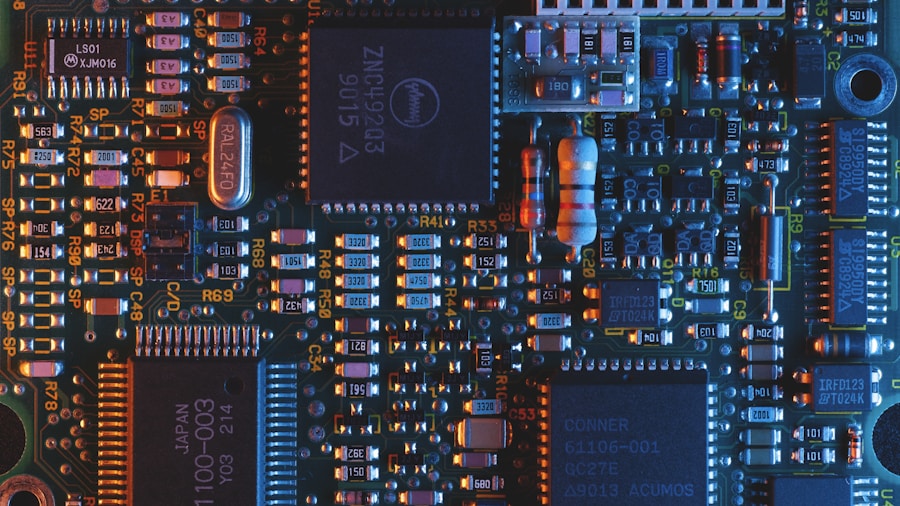
The removal of the F designation signals the addition of integrated graphics capabilities. In this case, the iGPU will consist of two RDNA 2 compute units, consistent with similar processors in AMD’s current lineup. While this GPU core is sufficient for display output and routine productivity tasks, it falls well short of gaming performance expectations. Users seeking graphical horsepower should plan for a discrete graphics card regardless of which variant they choose.
The presence of integrated graphics does add value for specific use cases. System builders constructing office workstations, media consumption devices, or light content creation machines may appreciate avoiding a dedicated video card purchase. For home theater PCs and general computing, this integrated solution proves entirely adequate. However, anyone considering CPU upgrade decisions should weigh this benefit carefully against the pricing premium.
Pricing Raises Questions for Buyers

The reported European pricing reveals a substantial market positioning choice by AMD. The Ryzen 5 7500 non-F is rumored to cost approximately 230 Euros, equivalent to roughly $267 in US currency. This pricing contrasts sharply with current market conditions. The F-variant originally launched at $179 but now sells for around $116. In Germany, the 7500F carries a price tag near 105 Euros (approximately $122), making the non-F model more than twice as expensive for functionally identical processing power.
Shoppers evaluating budget-conscious CPU purchases face a puzzling value proposition. For the anticipated $250+ price point of the non-F model, buyers can instead obtain the significantly more powerful Ryzen 5 9600X paired with a B850 motherboard bundle. Alternatively, enthusiasts seeking gaming performance can find the 7600X3D variant for less than $250. These competitive options suggest the integrated graphics feature may struggle to justify its premium unless bundled with additional value-add components.
The only potential pricing justification lies in packaging differences. Unlike the 7500F’s tray-only retail format, AMD might include a retail box and bundled CPU cooler with the non-F version. Still, this addition typically doesn’t command such a dramatic price increase. Since this represents a rumor rather than official confirmation, actual launch pricing could shift substantially based on market conditions and distribution channels.
What This Means for Your Next CPU Purchase
The broader context surrounding this release matters significantly. AMD regularly refreshes aging CPU families with new SKU variants when the consumer market experiences slowdowns. The Ryzen 7000-series represents a relatively established platform now, making it a natural candidate for such expansion. Similar trends have appeared recently across the CPU market, with companies like Intel also preparing new architectures including Nova Lake CPUs launching in early 2027 with advanced cache technology.
Current pricing data suggests waiting before committing to any Ryzen 5000-series purchase. The introduction of new variants typically creates volatility in existing product pricing. Inventory clearance and competitive positioning often reshape price structures across an entire family. Additionally, the rumored launch window remains uncertain, and the product may initially release exclusively in European markets before achieving global distribution.
For buyers prioritizing integrated graphics capabilities, examining the broader ecosystem proves essential. Entry-level processors across multiple manufacturers now include capable GPU cores. Comparing total system cost rather than CPU price alone typically yields better purchasing decisions. Bundled solutions featuring CPUs with included motherboards and coolers often present superior value during promotional periods. Alternatively, selecting slightly older generation processors with strong integrated graphics capabilities may deliver better long-term value for office and media consumption workloads.
Until official pricing and launch confirmation arrive, treating these specifications and costs as preliminary estimates remains prudent. The PC components market continues evolving rapidly, and systems like Lenovo IdeaPad Vibe laptops with AI CPUs starting at $699 showcase how integrated solutions compete for consumer attention. Smart buyers should monitor official announcements from AMD before making purchasing commitments, particularly given the substantial price difference between this variant and existing market alternatives.







Write Your Review
No reviews yet. Be the first to share your experience!