

Intel Nova Lake Release Timeline Confirmed
A recently surfaced presentation slide reveals Intel’s ambitious roadmap for its next generation of desktop processors. The company is targeting Q1 2027 for the initial launch of Nova Lake-S CPUs, with mass production beginning in Q4 2026. This timeline represents a significant milestone as Intel prepares to compete directly with AMD’s latest offerings in the high performance computing market.
The leaked slide indicates a phased rollout strategy. Intel will debut its single-die variants first, featuring configurations of up to 28 cores split across Performance, Efficient, and Low Power Efficient core types. The eagerly anticipated dual-die flagship models, which promise up to 52 cores, are scheduled for later in 2027. This staggered approach allows Intel to establish market presence while completing development of its most ambitious chips.
Cache Technology That Rivals AMD
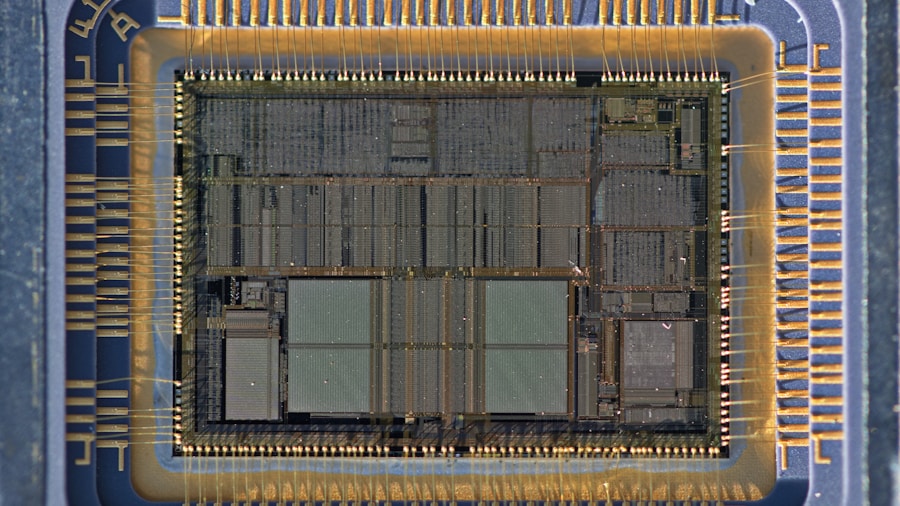
One of the most notable features confirmed by this leak is Intel’s Big Last Level Cache architecture, or bLLC. This technology will deliver up to 288MB of cache on Nova Lake-S processors, a dramatic jump from current flagship chips that offer only 76MB combined L2 and L3 cache. This represents Intel’s direct answer to AMD’s successful 3D V-Cache technology, which powers some of the fastest gaming and productivity CPUs available.
The performance implications are substantial. Intel claims that bLLC will produce measurable improvements in gaming frame rates and professional workload speeds. With 288MB of cache, Nova Lake-S chips will surpass even AMD’s top tier Ryzen processors in total cache capacity, potentially delivering better performance in memory-intensive applications. Buyers interested in the latest high-end gaming or workstation configurations should be aware of this significant architectural advantage.
Socket and Platform Details
Nova Lake-S will use Intel’s new LGA1954 socket paired with 900-series chipsets. A particularly important detail for long-term buyers is Intel’s commitment to supporting multiple CPU generations on this socket. This mirrors AMD’s successful approach with AM4, which sustained compatibility across four processor generations. For consumers considering a Nova Lake purchase, this means future upgrade paths without motherboard replacement, potentially saving hundreds of dollars down the line.
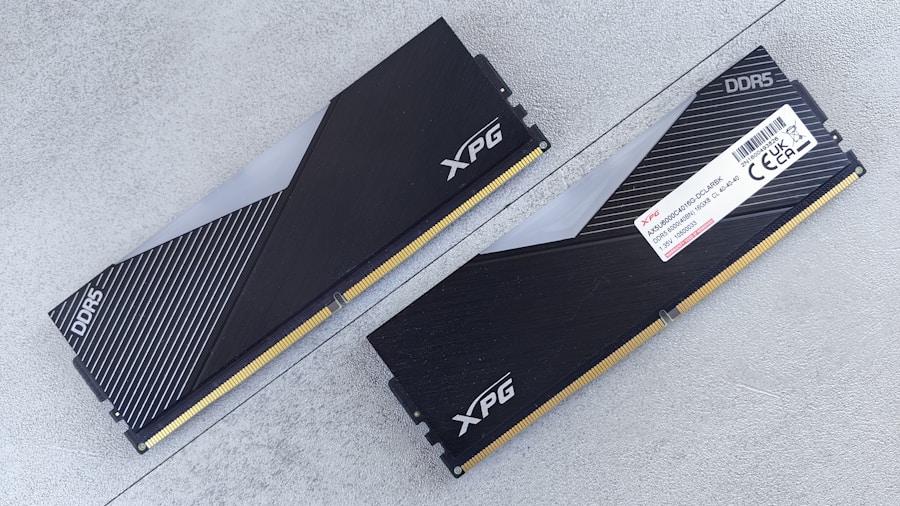
Memory support will include DDR5, with flexibility for faster modules as they become available. Similar to how DDR5 memory standards continue to evolve for modern CPUs, Nova Lake systems will benefit from ongoing memory technology improvements without requiring platform changes.
What This Means for PC Buyers
The Nova Lake announcement carries real implications for anyone planning a CPU upgrade in 2027 or beyond. First, the timeline gives current CPU owners a clear horizon: if you purchase today, you’ll have roughly 18 months before Intel’s next major generational leap arrives. This matters because it affects the value proposition of current generation chips, which may see price reductions as 2027 approaches.
Second, the multi-core counts reveal Intel’s strategy to compete with AMD across all market segments. The entry level 28-core configuration targets enthusiasts and professionals who need substantial compute power without premium pricing, while the 52-core flagship serves extreme workstations and content creation. As Intel expands its processor lineup, having options at multiple core counts ensures customers can match specifications to their actual workload requirements.
Third, the bLLC technology represents a philosophical shift in how Intel approaches performance. Rather than relying solely on clock speed or core count increases, the company is investing in memory hierarchy improvements. For gamers, this is particularly relevant since gaming performance often correlates strongly with cache effectiveness. For professionals running simulation software, financial modeling, or data analysis, larger cache pools reduce memory bottlenecks.
Long-Term Socket Strategy
Perhaps the most customer-friendly aspect of Nova Lake is the multi-generation socket support. The LGA1954 commitment to hosting multiple CPU generations sets a positive precedent. Buyers investing in Nova Lake-S platforms now know they could potentially upgrade to subsequent generations without replacing their motherboards, a significant cost-of-ownership advantage. As processor architectures continue evolving, platform longevity becomes increasingly valuable for building future-proof systems.
For the typical consumer, 2027 is still over a year away, meaning there is no rush to postpone purchases if you need a CPU now. However, if you can wait and your current system remains adequate, Nova Lake-S represents a substantial performance step that justifies patience. The combination of massive core counts, revolutionary cache architecture, and socket longevity makes these processors worth monitoring as launch approaches.










Write Your Review
No reviews yet. Be the first to share your experience!