

The Problem: Same Name, Vastly Different Speed
AMD has introduced a new entry-level graphics card that carries the Radeon branding but delivers a frustrating experience for shoppers unfamiliar with GPU specifications. The Radeon RX 9050 4GB, which is being sold as an OEM-exclusive option, has undergone real-world testing that reveals significant performance shortcomings compared to its 8GB sibling. Both cards share the same name and similar specifications on paper, but actual gaming results tell a different story entirely.
Independent hardware testing revealed a staggering performance gap between the two models. When running an 18-game benchmark suite at 1080p with low graphics settings, the 4GB variant averaged 78 frames per second, while the 8GB version delivered 107 fps. At the lowest graphics preset, the numbers climbed to 111 fps for the 4GB card and 147 fps for the 8GB model. In practical terms, the 4GB version is roughly 27 percent slower than its higher-capacity counterpart, a massive difference that most shoppers would notice immediately during gameplay.
Why the Memory Configuration Matters
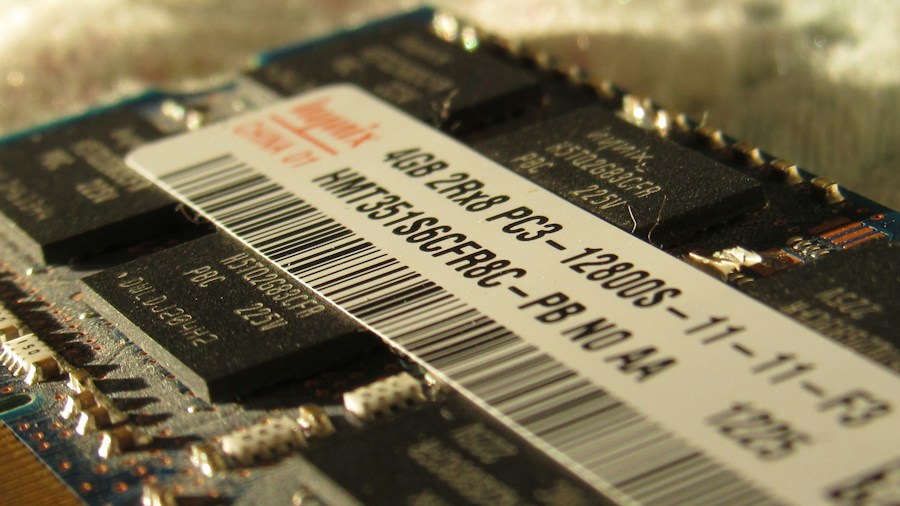
The root cause of this performance gap lies in AMD’s decision to cut memory bandwidth in half. The 4GB variant uses a 64-bit memory bus with 4GB of GDDR6 memory running at 18Gb/s, delivering just 144GB/s of bandwidth. The 8GB model, by contrast, features a 128-bit bus and 8GB of VRAM, providing 288GB/s of bandwidth. This means the 4GB card is essentially starved of the memory throughput needed to feed the GPU core efficiently.
The problem is compounded by a smaller Infinity Cache, which drops to just 16MB on the 4GB model compared to a larger cache on the 8GB version. Even on modern test systems equipped with PCIe 5.0 and DDR5 memory, which help mitigate some memory bandwidth issues, the 4GB card still falters. In games like Rainbow Six Siege that use only 2GB of the available 4GB VRAM, frame rates still suffered a 38 percent drop, proving that memory bandwidth limitation affects performance regardless of actual VRAM consumption.
The Naming Confusion Problem
One of the most troubling aspects of this launch is AMD’s decision to give both cards nearly identical names. Inexperienced buyers, parents purchasing for their children, and casual shoppers could easily confuse the two products. When browsing store listings or reading online reviews, a buyer might believe they are purchasing the more capable 8GB model after seeing it recommended elsewhere, only to receive the significantly slower 4GB version. RX 9050 4GB specs reveal deeper performance problems that go beyond mere memory differences.
While the core GPU itself is identical across both versions, a clearer naming convention would have prevented this confusion. AMD could have designated the 4GB model as the RX 9040 or similar, making the distinction unmistakable at first glance. Instead, the company is relying on store listings to display memory capacity, which is not always consistent or prominent enough to catch a casual buyer’s attention.
What This Means for Your Gaming Experience

For budget-conscious gamers, the Radeon RX 9050 4GB still has a place. It remains capable of playing esports titles at acceptable frame rates, particularly games designed to run at lower hardware requirements. However, expecting to run demanding modern titles at 1080p medium or high settings would result in disappointment. The 4GB of memory is becoming increasingly problematic as games grow more complex and textures become higher resolution.
Industry experts generally consider 8GB of VRAM to be the realistic minimum for contemporary gaming in 2026. The decision to equip a brand-new card with only 4GB appears short-sighted, especially when memory costs are not significantly higher. While the technology sector continues to grapple with memory supply constraints, cutting memory in half creates a product that feels deliberately constrained rather than genuinely entry-level.
Market Competition and Value
Pricing estimates suggest the Radeon RX 9050 4GB carries a cost of approximately $250 when purchased as part of an OEM system. At this price point, it competes directly with the Radeon power adapter and component reliability concerns that extend across multiple product lines. Intel’s Arc B570 with 10GB of memory slightly outperforms even the 8GB RX 9050, making it a superior value proposition for informed shoppers.
Unfortunately, most buyers lack the technical knowledge to understand these performance nuances. Those who do their homework will likely choose alternative products, while casual purchasers may end up with underwhelming hardware. AMD GPU climbing rankings on popular gaming platforms shows the brand remains competitive overall, but this particular configuration needs better transparency and positioning to serve its intended audience fairly.
What You Should Do
If you are shopping for a new graphics card and encounter the Radeon RX 9050 4GB as an option, take time to verify which memory configuration you are actually purchasing. Do not assume that a product with the RX 9050 name will match performance figures you may have seen elsewhere online. Request specific memory capacity details before completing your purchase, especially when buying through OEM system integrators who may not always highlight these specifications clearly. Consider spending a modest amount more for the 8GB variant or exploring competing products that offer better value and clearer product positioning.





Write Your Review
No reviews yet. Be the first to share your experience!