

Millions of Smart TVs May Be Running Hidden Botnet Apps
A major security revelation has exposed a widespread problem across popular smart TV platforms: malicious apps containing residential proxy software that turns your television into an unwitting data-scraping machine. Samsung, LG, Roku, and Amazon Fire TV devices have all been affected, potentially impacting millions of households worldwide.
The discovery centers on a deceptive technology called residential proxies, which route internet traffic through your TV to mask the sender’s true location and identity. While this feature has legitimate uses in software testing and advertising verification, cybercriminals have weaponized it to harvest data for artificial intelligence training and launch coordinated attacks on web services.
How Widespread Is the Problem?

Security researchers uncovered alarming infection rates. According to independent analysis, approximately 26.5 percent of Samsung Tizen smart TV apps contained this malicious code, while over 42.5 percent of LG webOS apps were compromised. These numbers represent thousands of individual applications available in official app stores, raising serious questions about how quality control failed so dramatically.
One particularly troubling example involved a children’s Pac-Man game that Samsung had featured as an Editor’s Choice recommendation. This shows that even prominently promoted applications fell victim to the botnet infiltration. The malware operates silently in the background, requiring no user interaction and remaining invisible to TV owners.
Who Was Behind This?
Cybersecurity researchers traced the botnet activity to international threat actors, including groups operating from China, North Korea, Iran, and Russia. These entities leveraged the compromised TVs to bypass security protections on AI data centers and other protected networks. By using individual TV devices, each with a unique internet address, attackers could evade IP range blocking systems that would normally detect malicious traffic patterns.
One known botnet network called IPIDEA had already enlisted millions of smart TVs before being detected. The scale of this operation demonstrates how vulnerable connected devices can become when security measures are insufficient during app approval processes.
What Are Manufacturers Doing?
Samsung and LG have publicly committed to removing infected applications from their app stores. Samsung has restricted new app registrations that contain residential proxy components and is actively identifying and removing existing apps with these features. LG is working directly with developers to strip the functionality from affected apps, with suspension as the consequence for non-compliance.
Amazon, Roku, and Google TV have taken more aggressive action, immediately banning IPIDEA and restricting the Bright Data residential proxy network entirely. However, the challenge remains significant: removing apps from stores does not automatically delete them from TVs that have already installed them.
What This Means for Your TV
If you own a smart TV from any major manufacturer, there is a real possibility that infected apps remain on your device. Unlike traditional computers with antivirus software, most smart TVs lack robust security tools to detect and remove malware. The botnet operates without requiring the app to be open, meaning infected applications drain your bandwidth and compromise your network security even when you are not actively using them.
More concerning is what this reveals about smart TV security philosophy broadly. As these devices become increasingly sophisticated, they attract the same attacks that plague computers and smartphones. Features like automatic content recognition and persistent data collection have already raised privacy concerns among consumers. Recent smart TV innovations continue adding internet-connected functionality without always prioritizing security or transparency.
Steps You Should Take Now
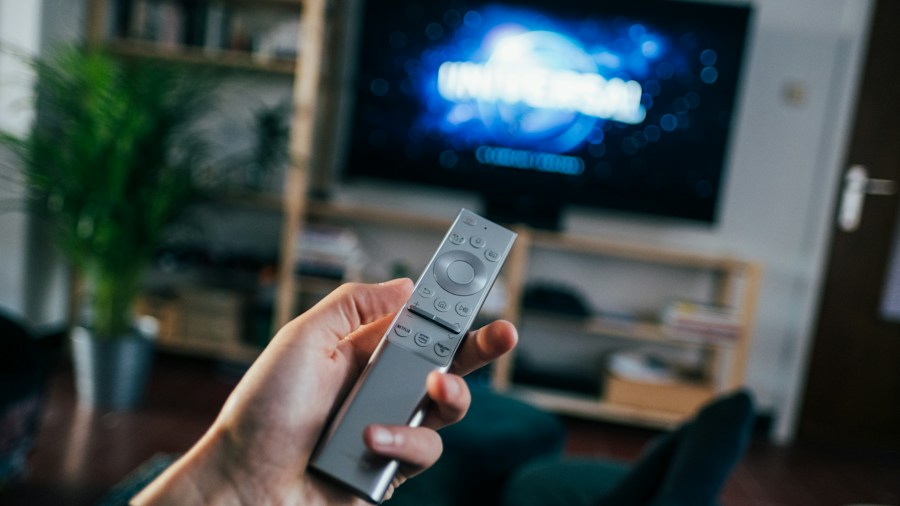
First, check your smart TV’s app library and uninstall any applications you do not actively use. This reduces the attack surface on your device. Second, review the apps you have installed and remove any games or utilities from unknown developers. Third, ensure your TV’s software is fully updated by checking for system updates in your settings menu, as manufacturers release patches to address known vulnerabilities.
Consider your network security as well. If your smart TV is on the same home network as computers containing sensitive financial or personal information, the compromised device could potentially be used as an entry point. Using a separate network for smart home devices, when possible, adds an additional layer of protection.
Some security-conscious consumers have chosen to treat their smart TVs as passive displays rather than smart devices. Using external streaming devices and disabling built-in smart functions reduces your exposure to compromised apps and telemetry collection.
Looking Forward
This incident exposes fundamental weaknesses in how smart TV app stores vet applications before distribution. Manufacturers must implement stronger security auditing processes and continuous monitoring of existing apps. The fact that developers may unknowingly include malicious code through compromised software development kits suggests the problem extends beyond intentional wrongdoing, making transparent communication with developers essential.
Until smart TV security standards improve significantly, approach downloaded apps with the same caution you would on any connected device, verify app publishers, and do not hesitate to uninstall unfamiliar software.




Write Your Review
No reviews yet. Be the first to share your experience!