

The computing industry is bracing for an unprecedented expansion in data center infrastructure, with projections showing that spending on AI data centers could reach as much as $31.6 trillion over the next fifteen years. According to recent analysis, this figure could climb even higher to $50 trillion in optimistic scenarios. To put this in perspective, this capital requirement dwarfs the investments required to build railways, electrification networks, and the entire internet when those systems first launched. For GPU buyers and enthusiasts, understanding what drives this investment matters because it directly affects GPU availability, pricing, and the technology roadmap for the cards you want to buy.
The Four to Six Year GPU Replacement Cycle
What makes the AI data center build-out unique compared to infrastructure projects of the past is the replacement frequency. Railways, power grids, and fiber optic cables function for decades with minimal hardware swaps. Data center operators, however, must replace their GPU inventory and supporting infrastructure every four to six years. This constant refresh cycle keeps demand for new GPUs consistently high and creates ongoing pressure on manufacturers to develop faster, more powerful chips. Industry experts estimate that individual GPUs in data center environments may only remain current for one to three years before becoming obsolete relative to newer alternatives.
This rapid cycle explains why GPU manufacturers like Nvidia and AMD release new generations every two to three years at an accelerating pace. GPU pricing has experienced significant shifts in recent years, partly driven by competition for these lucrative data center contracts. When hyperscalers, the massive cloud companies building these facilities, place orders for thousands of next generation chips, consumer GPU availability can tighten considerably.
Geographic Investment Distribution and Supply Chain Impact
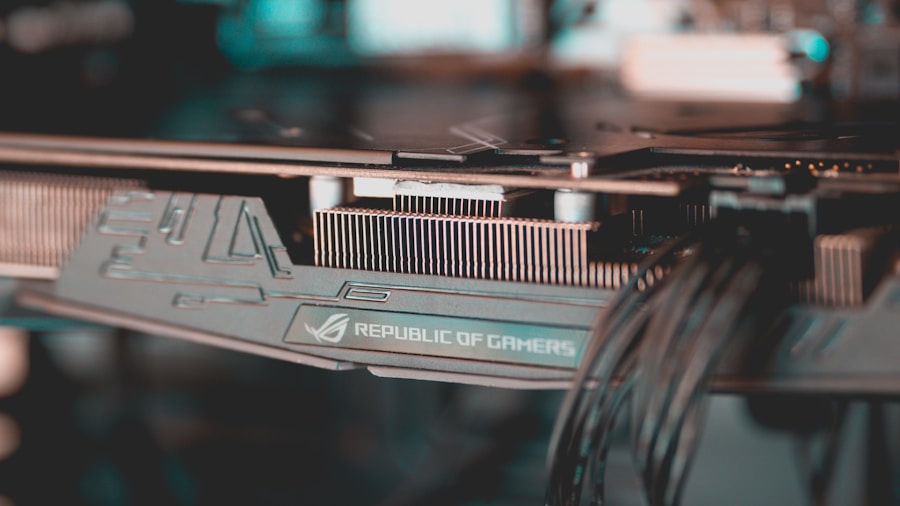
The projected spending isn’t distributed evenly across the globe. The United States leads with an estimated $15.1 trillion investment, followed by Asia Pacific regions including China and India at $8.2 trillion. Europe is projected to spend $5.6 trillion, while the Middle East and Africa trail with $1.1 trillion and $255 billion respectively. This geographic concentration matters to shoppers because it shapes where manufacturing capacity gets concentrated and how supply chains develop.
Beyond GPUs themselves, related industries will experience significant growth. Networking equipment manufacturers, copper producers for power infrastructure, and component suppliers will all benefit from this buildout. However, this also means competition for raw materials and manufacturing capacity could increase across the broader hardware industry.
Power Constraints and Infrastructure Challenges
One critical challenge facing data center expansion is power availability. Projections indicate that U.S. data centers alone could consume 20 percent of the nation’s total electricity supply by 2035. To address this bottleneck, operators are turning toward on-site power generation using natural gas turbines, which has inadvertently created shortages in jet engine components. These supply chain complications ripple through the hardware ecosystem and can affect GPU production timelines.
Older GPU models face compatibility challenges with newer software standards, which accelerates the replacement cycle and encourages buyers to upgrade more frequently. Understanding whether your current GPU meets emerging software requirements can help you decide whether to purchase now or wait for newer models.
Geopolitical Risks and Market Uncertainty
The outlook isn’t entirely risk free. Geopolitical tensions, trade restrictions on rare earth elements, and potential chip bans could reduce the global investment forecast by as much as 20 percent. Additionally, concerns persist about whether the current AI boom represents sustainable growth or a speculative bubble. Some AI technology companies carry what analysts call hidden debt exceeding $1.65 trillion, while rising operational costs pressure companies to find profitable business models.
Despite these concerns, major industry players are doubling down on expansion. Significant partnerships are forming to establish AI infrastructure funds worth hundreds of billions of dollars, signaling confidence that demand will continue climbing. Game developers are already accounting for high end GPU requirements in upcoming releases, indicating that advanced hardware demand extends beyond data centers into consumer markets.
What This Means for GPU Shoppers Today
For consumers shopping for GPUs, the takeaway is clear: demand will remain strong, competition for cutting edge chips will intensify, and prices for flagship models may stay elevated. If you’re considering a GPU purchase, expect to see consistent releases of new generations as manufacturers race to capture market share in data center contracts. Older models may depreciate faster as new generations arrive more frequently.
The trillion dollar investment wave underway represents the largest infrastructure buildout in modern history. While the primary beneficiaries are data center operators and AI companies, GPU shoppers will feel the effects through availability, pricing, and the accelerating pace of technological innovation.








Write Your Review
No reviews yet. Be the first to share your experience!