

Memory Supplier Discontinues Entry-Level Gaming GPU Chips
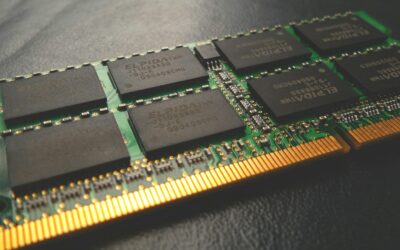
Micron has officially discontinued its 2GB GDDR7 memory modules, marking a significant shift in the graphics memory landscape. The company has designated both its 28 Gbps and 32 Gbps variants as end-of-life products, removing them from active production. This move follows Micron’s relatively recent entry into supplying Nvidia with these lower-capacity modules earlier in 2024, but the venture proved short-lived as market dynamics shifted away from consumer gaming priorities.
The 2GB GDDR7 chips had limited distribution, appearing primarily on select retail variants of the GeForce RTX 5060 graphics cards. However, the broader GPU market should experience minimal disruption from this discontinuation. Samsung and SK Hynix control the majority share of 2GB GDDR7 supply for Nvidia’s mainstream RTX 50 lineup, so gaming shoppers are unlikely to face immediate scarcity or price increases on budget-focused graphics cards.
Why Micron Made This Strategic Decision

Micron’s exit from the 2GB segment reflects a calculated business strategy rather than a supply crisis. The company found itself in an uncompetitive position within this particular memory tier, prompting leadership to redirect manufacturing capacity toward higher-margin products. By stepping away from a crowded, lower-profit segment, Micron frees up fabrication resources for more lucrative opportunities.
The real growth target for memory suppliers like Micron lies in artificial intelligence and data-center applications. The company is redirecting its focus toward producing 3GB GDDR7 chips, which command significantly better profit margins despite their unconventional capacity for consumer graphics cards. These denser modules are proving essential for Nvidia’s RTX PRO Blackwell line of professional GPUs designed specifically for AI and machine learning workloads.
The Broader AI-First Trend Reshaping GPU Memory
Micron’s discontinuation decision represents a much larger industry trend: memory manufacturers are systematically deprioritizing consumer and retail GPU segments in favor of AI-focused technologies. This shift has been underway for months, with major suppliers aligning production and R&D investments toward enterprise and data-center needs, where profit potential far exceeds consumer markets.
Earlier this year, Micron took the dramatic step of exiting its entire Crucial consumer memory and SSD business. The company explicitly cited surging AI data-center demand as the primary reason, explaining that it needed to concentrate resources on larger strategic customers operating in faster-growth market segments. This represents a fundamental realignment of the memory industry’s priorities, with consumer applications increasingly treated as secondary business lines.
The implications extend beyond simple product discontinuations. As wireless GPU technology arrives for AI buyers, the technical landscape continues fragmenting into consumer and professional tiers. Understanding where your GPU purchase fits within this evolving ecosystem matters more than ever.
What Gamers and Budget-Conscious Buyers Should Know

For consumers shopping for graphics cards right now, the practical impact of Micron’s 2GB GDDR7 discontinuation remains minimal. Since this memory variant only appeared on a handful of RTX 5060 retail models, and competitors Samsung and SK Hynix maintain robust 2GB GDDR7 supplies, you will not encounter supply bottlenecks or unexpected price swings.
However, this news signals an important long-term trend worth monitoring. If memory suppliers continue reallocating production away from consumer GPU segments toward AI applications, future entry-level and mid-range graphics cards might see less innovation and development attention. The industry is gradually reshaping itself around AI profitability, which could eventually influence product availability, performance gains, and pricing tiers for consumer-grade GPUs.
Buyers in the budget segment should remain aware that competitive intensity in 2GB and 4GB memory segments will likely soften as manufacturers exit or reduce participation. Existing inventory from Samsung, SK Hynix, and other suppliers will serve the market, but new product launches and memory technology advancements in the consumer space may slow compared to professional AI GPU development.
Planning Your GPU Purchase Strategy
When shopping for a graphics card today, verify the memory manufacturer and specifications carefully. Products using Samsung or SK Hynix 2GB GDDR7 will maintain stable availability and support through typical product lifecycles. If you encounter a card using Micron’s 2GB variant, factor potential long-term service and replacement considerations into your purchase decision, though immediate concerns are unlikely.
The broader industry shift toward AI-optimized GPUs means that consumer gaming performance gains may concentrate in higher-end segments where competition and development investment remain strong. Budget-conscious shoppers might find fewer innovations trickling down to entry-level products compared to previous generational transitions. Planning your upgrade timeline with this reality in mind helps set realistic expectations for value and performance improvements.
For those considering professional or semi-professional applications, AMD’s next-generation GPU architecture developments suggest competing options will remain available across market tiers, even as primary industry momentum focuses on AI capabilities and data-center deployments.








Write Your Review
No reviews yet. Be the first to share your experience!