

Microsoft Ditches Copilot+ Label Amid Shifting AI Strategy
Microsoft has made a significant shift in its approach to artificial intelligence on personal computers. The company has quietly abandoned the Copilot+ branding that it prominently promoted for new laptops starting in 2024. Microsoft Surface Corporate Vice President Brett Ostrum confirmed this decision to industry insiders, revealing that while new devices still meet the technical requirements originally set for the Copilot+ designation, they will no longer carry the label or associated marketing claims.
The move represents a striking departure from Microsoft’s earlier emphasis on local AI capabilities as a key selling point. When the company first introduced the Copilot+ brand roughly two years ago, it aimed to distinguish machines equipped with neural processing units (NPUs) that could handle 40 trillion operations per second or higher. This threshold was meant to ensure adequate performance for on-device AI tasks without relying entirely on cloud computing.
Why the Brand Disappeared and What Changed

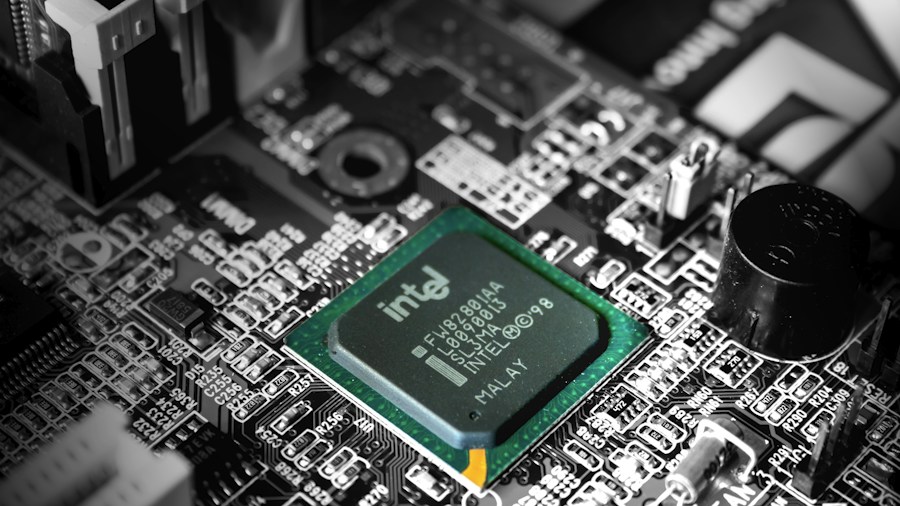
Several factors likely contributed to Microsoft’s decision to shelve the branding. The market landscape has evolved considerably since 2024. Nearly all modern mainstream and high-end processors now come with integrated NPUs capable of meeting or exceeding that 40 TOPS performance bar. What was once a meaningful point of differentiation has become standard across the industry. When a feature becomes nearly universal, the branding that promotes it loses its marketing value.
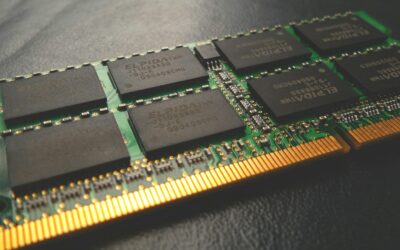
The current memory chip shortage has also created practical challenges for maintaining premium positioning. Microsoft originally recommended 16GB of RAM as the minimum for Copilot+ systems, but chip scarcity and rising costs made this requirement increasingly difficult to achieve at competitive price points. The company eventually removed its 32GB recommendation from official documentation and released new Surface devices for business customers with just 8GB of RAM. This retreat from higher specifications contradicted the premium messaging that the Copilot+ brand was supposed to convey.
Interestingly, even devices that would have qualified under the old criteria are now shipping without the Copilot+ badge. This includes hardware like the upcoming Nvidia RTX Spark N1X and Microsoft’s Project Zenith, both of which meet the technical specifications but lack the promotional label.
What This Means for Windows 11 Users
Microsoft is also scaling back Copilot’s overall presence within Windows 11 itself. The company has committed to improving the operating system’s core performance, reliability, and update frequency. Rather than pushing AI-heavy features front and center, the software giant is focusing on making Windows run more smoothly and efficiently, particularly on machines with limited resources.
One major initiative involves optimizing Copilot to function properly on systems with only 8GB of RAM, addressing the memory constraints that have plagued the market. This represents a pragmatic acknowledgment that not every user can afford the premium configurations that made Copilot+ branding meaningful. By removing the brand distinction, Microsoft frees itself from the expectation that all AI features must be locked behind hardware requirements that many customers cannot meet.
However, Microsoft has not abandoned artificial intelligence development altogether. The company continues expanding its AI capabilities across its product lineup. It recently overhauled Copilot with new functions including Home, Code, and Autopilot modes. Additionally, Microsoft has tested Copilot+ AI features that run on discrete GPUs, potentially allowing PCs without built-in NPUs to access advanced AI functionality. This pivot suggests a future where AI capabilities are decoupled from specific hardware requirements.
What Shoppers Should Do Now
For consumers currently shopping for laptops, this development offers both clarity and confusion. The removal of the Copilot+ brand means you should no longer view it as a key purchasing criterion. Instead, evaluate machines based on their actual performance specifications, processor type, GPU capabilities, and RAM configuration for your specific needs.
If you prioritize AI-assisted productivity features, they will likely become available across a wider range of Windows 11 devices regardless of whether they carry any special branding. Rather than waiting for a specific badge, focus on getting solid hardware that meets your budget and performance expectations. The AI capabilities will follow through software updates, not through exclusive hardware requirements.
Microsoft’s decision also signals that premium pricing premiums based on NPU availability may not be justified going forward. As GPU and processing technology continues to evolve, the technology industry regularly reassesses what features deserve emphasis in marketing and branding. In this case, what was promoted as a premium differentiator has become commodity functionality, and Microsoft is being transparent about that transition by removing the label entirely.




Write Your Review
No reviews yet. Be the first to share your experience!