

Intel is preparing to shake up the desktop CPU market with its upcoming Nova Lake architecture, but early reports suggest these processors will demand serious power and cooling infrastructure. According to recent leaks, a 28-core Nova Lake model could draw up to 296 watts during sustained operation, marking a significant jump in thermal output compared to current generation chips.
What the Power Specs Mean
The reported 296-watt figure references the processor’s sustained power limit, often labeled PL1 in technical specifications. This number determines how many watts a CPU can continuously draw without throttling. To put this in perspective, Intel’s current flagship Core i9-14900KS maxes out at 253 watts under the same metric, making the incoming Nova Lake chip roughly 17 percent more power-hungry. Some industry observers debate whether the 296-watt figure actually represents a higher short-term power limit instead, which would mean sustained consumption could run somewhat lower.
The thermal implications are substantial. Your current CPU cooler might not cut it. Enthusiasts and builders planning for Nova Lake systems should expect to invest in premium cooling solutions capable of handling extreme heat output. Even if the sustained power draw settles slightly below 296 watts, you are looking at a processor that rivals or exceeds the most power-intensive chips on the market today.
Why Power Draw Matters for Buyers

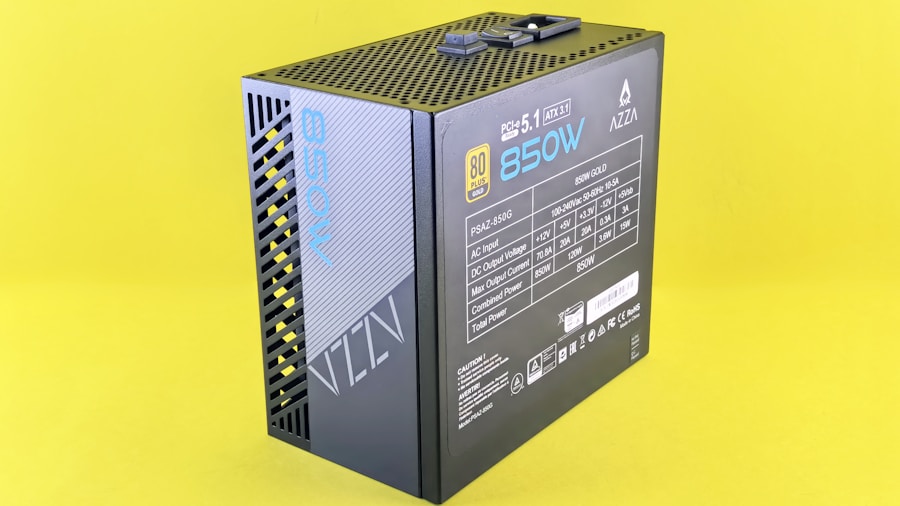
Higher power consumption translates to several practical concerns for consumers. First, your power supply needs adequate headroom. A 296-watt CPU paired with a current-generation graphics card could easily push a system beyond 600 watts of total draw, requiring a robust PSU with comfortable overhead. Undersizing your power supply risks system instability, hardware damage, and shortened component lifespan.
Second, electricity costs compound over time. A high-power CPU running 24/7 will noticeably increase your monthly power bill compared to more efficient alternatives. Even casual users who leave systems idle periodically will see measurable differences in annual energy expenses.
Third, cooling solutions become a significant purchasing decision and potential bottleneck. Premium tower coolers and all-in-one liquid coolers cost considerably more than budget options, and you may need to sacrifice case compatibility or storage drive placement to accommodate larger heatsinks. Intel Nova Lake CPUs are getting new naming conventions, which should help you identify which models pack the highest power requirements.
Comparisons to Current and Competing Hardware
Intel’s approach contrasts sharply with AMD’s efficiency strategy. The upcoming Ryzen 9 9950X3D from AMD delivers competitive core counts and cutting-edge 3D cache technology while consuming only 170 watts, roughly 40 percent less power than the rumored Nova Lake chip. This efficiency gap raises questions about whether raw performance gains justify the thermal and financial costs for average shoppers.
Raptor Lake CPUs remain in strong demand, and their lower power requirements may continue attracting builders who prioritize reasonable electricity costs and simplified cooling solutions. As Nova Lake approaches, the CPU market will likely split between consumers seeking maximum performance at any cost and those prioritizing efficiency and value.
What to Expect and When
Intel plans to launch Nova Lake on desktop platforms first, prioritizing the gaming and enthusiast segments before rolling out server variants. The broad timeline points to 2026, with official announcements potentially arriving at technology conferences in early 2027. This gives you time to plan and budget for necessary supporting infrastructure if you intend to upgrade.
The 28-core model rumored to hit 296 watts will likely arrive as a Core Ultra 9 variant, featuring 144 megabytes of cache through Intel’s new Big Last Level Cache technology. This feature aims to close the performance gap with AMD’s X3D processors, though the power consumption question suggests Intel may be prioritizing raw performance over thermal efficiency.
For builders and upgrades planned within the next 12 to 18 months, current-generation processors remain viable options. Those specifically targeting Nova Lake should begin researching compatible power supplies and cooling solutions now, as demand could create supply constraints around launch. Factor these supporting component costs into your total system budget.
The arrival of a 300-watt CPU marks a notable inflection point in the market. It challenges the industry trend toward power efficiency and forces consumers to weigh absolute performance against practical operating costs and thermal management complexity.










Write Your Review
No reviews yet. Be the first to share your experience!