

The rise of cloud-based artificial intelligence services has sparked growing concern among consumers about privacy, cost, and control. Many people worry about data being sent to remote servers, subscription fees stacking up, and corporate decisions about how their information is used. A new wave of tech enthusiasts is taking a different approach: building their own AI systems on compact, affordable hardware that stays under their roof.
Why Mini PCs Are Becoming AI Workhorses
Mini PCs have traditionally served as budget-friendly alternatives to full-size desktops or as home servers. Today, they are evolving into something more powerful: personal AI compute stations. Recent models featuring specialized neural processing units (NPUs) and capable processors make it realistic for ordinary users to host AI models locally.
The advantage is straightforward. Your data never leaves your home network. You avoid recurring subscription costs associated with commercial AI platforms. You gain complete control over which AI models run, how they behave, and what information they can access. For shoppers tired of the limitations and costs of mainstream AI services, this represents a genuine alternative.
Real-World Setup: What’s Actually Possible
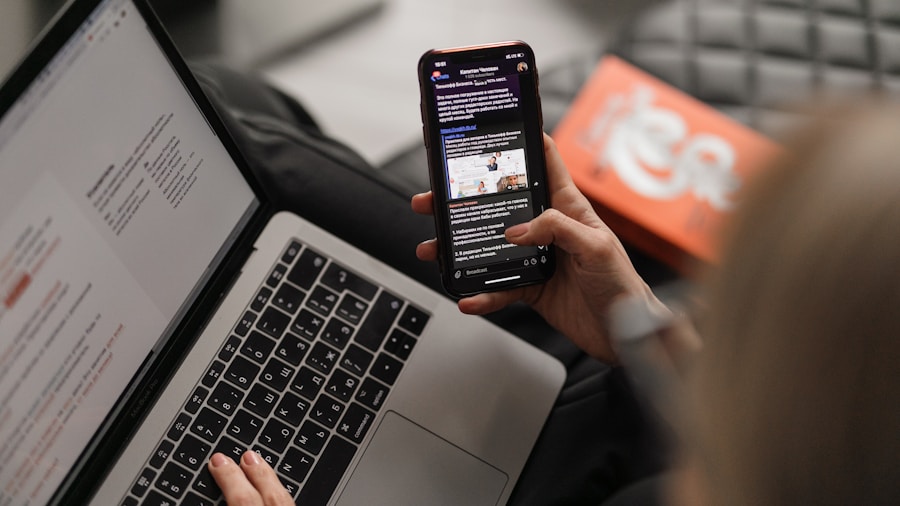
A practical example emerged when a tech journalist built a home AI system using a compact mini PC paired with a more powerful desktop machine. The mini PC acted as the central hub for an AI agent, while the larger system provided additional computational power for heavier lifting. Both machines ran open-source AI models optimized to work locally.
The crucial piece for everyday usability was mobile access. By integrating the system with a common messaging application, the user could query and control the AI from their smartphone while away from home. This transforms a technical experiment into something genuinely practical: a personal AI assistant that can process requests from anywhere, yet operates entirely within a private network.
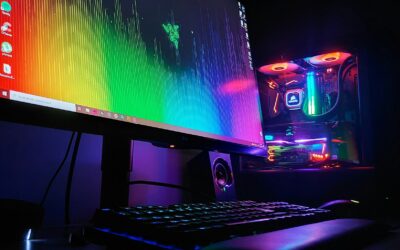
The setup handles real tasks, from gathering and organizing research materials to filtering information for specific projects. While still in the experimental phase for broader adoption, the foundation is solid. Modern gaming PCs and mini computers are increasingly capable of supporting these workloads, and the trend is accelerating as hardware improves.
What This Means for Consumers Shopping Today
If you are considering a mini PC purchase, you now have a compelling new use case to evaluate. Traditional mini PC buyers looked at them primarily for office work, media streaming, or as lightweight gaming machines. The hardware landscape is shifting rapidly, and what qualifies as capable computing keeps expanding.
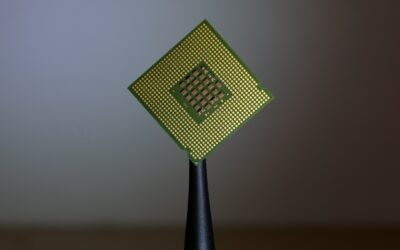
The presence of an NPU is becoming an important specification to check. Not every mini PC includes one, but those that do unlock the ability to run modern AI models smoothly without draining your battery or requiring constant internet connectivity. If privacy or data independence matters to you, this feature justifies the investment.
Current barriers to entry include setup complexity and the need for technical knowledge. You will likely need to install Linux or use specialized software to manage your AI system. The process is not plug and play. However, the barrier is lowering as tools mature and more guides emerge. Shoppers with some technical comfort will find it achievable; others may want to wait as the process simplifies.
The Practical Reality and Cost Comparison
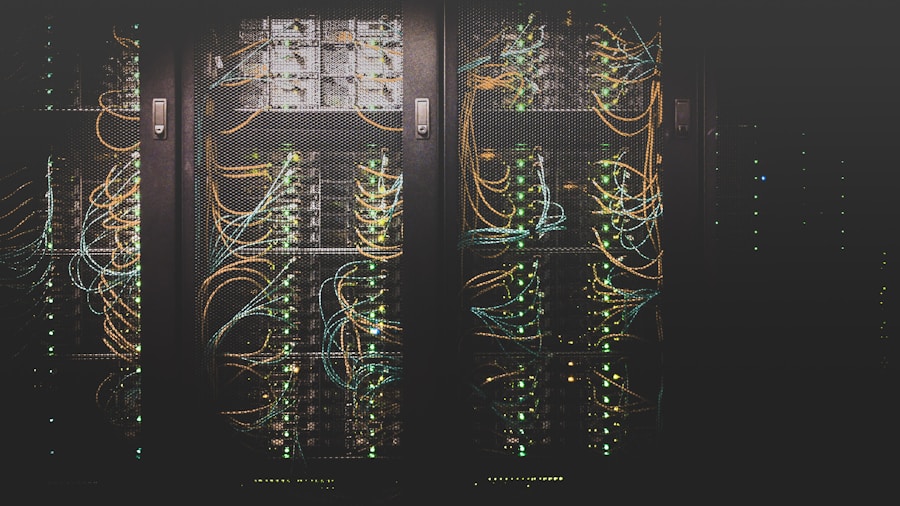
Running your own AI system involves an upfront hardware investment but eliminates recurring subscription fees. A mini PC with an NPU typically costs between $400 and $1,000 depending on specifications. Compare this to paying $20 or more monthly for a commercial AI subscription service. Over several years, the math favors ownership.
However, electricity costs and maintenance time are real considerations. Hardware security and reliability also matter when running always on systems, so choose reputable manufacturers and keep your software updated regularly.
What Comes Next
As open-source AI models improve and hardware costs decline, personal AI systems will become more mainstream. Manufacturers are racing to integrate capable NPUs into smaller, cheaper devices. Software tools are simplifying the installation and management process.
For buyers, this means the next generation of mini PCs will likely include AI capabilities as a standard feature rather than an exception. Today’s early adopters are paving the way and proving the concept works. If privacy, independence, and long term cost savings appeal to you, a mini PC with local AI potential is worth adding to your research list now.

Write Your Review
No reviews yet. Be the first to share your experience!