

Nvidia revived the RTX 3060 12GB graphics card in late June, positioning it as an affordable option for gamers struggling to find reasonably priced GPUs. The chip was meant to address ongoing shortages of memory capacity by offering 12GB of VRAM at an accessible price point. However, what sounded like good news for budget-conscious shoppers has turned into a cautionary tale about market dynamics and supply chain pressures.
Just two months after launch, the RTX 3060 12GB has become a study in rapid price inflation. The MSI Ventus 2X OC variant debuted at $300 and now commands $480, representing a 60 percent jump in just eight weeks. The Asus Dual V2 OC model started at $330 but now costs $500, a 52 percent increase from its original MSRP. Even the cheapest available option, the Gigabyte Windforce OC Rev 2.0, has climbed from $340 to $460, a 35 percent spike. International markets show similarly troubling trends, with UK prices exceeding $560 and European pricing hovering near $450 for the same hardware.
The price escalation matters because it fundamentally undermines the card’s original value proposition. Current GPU pricing trends indicate that higher-end options now compete directly with budget cards, making the RTX 3060 12GB increasingly difficult to justify. The newest RTX 5060 costs approximately $450, making it nearly identical in price to the five-year-old RTX 3060 12GB. Yet the RTX 5060 delivers substantially better performance, greater energy efficiency, and modern features like DLSS multi-frame generation support. It also features 8GB of GDDR7 memory instead of the slower GDDR6 found in the older card.
Performance and Value Comparison
When examining actual gaming capability, the RTX 3060 12GB shows its age. At 1080p and 1440p resolution, it performs at roughly the same level as the much older RTX 3070, which launched in 2020. The extra 12GB of VRAM sounds advantageous but rarely translates to meaningfully better frame rates in modern titles. In fact, many of today’s demanding games run better on cheaper options like the RTX 5050, which sells for just $300 while delivering faster performance.
Manufacturing realities might explain why Nvidia brought back this aging design. The RTX 3060 12GB uses older, less resource-intensive components: Samsung’s 8-nanometer process node instead of TSMC’s cutting-edge N5 node, plus slower GDDR6 memory versus the GDDR7 found on newer cards. These production advantages should theoretically make the card cheaper to manufacture. Yet none of those cost savings appear to be reaching retailers or end consumers. Instead, prices have moved steadily upward despite the chip’s dated architecture.
What This Means for Shoppers
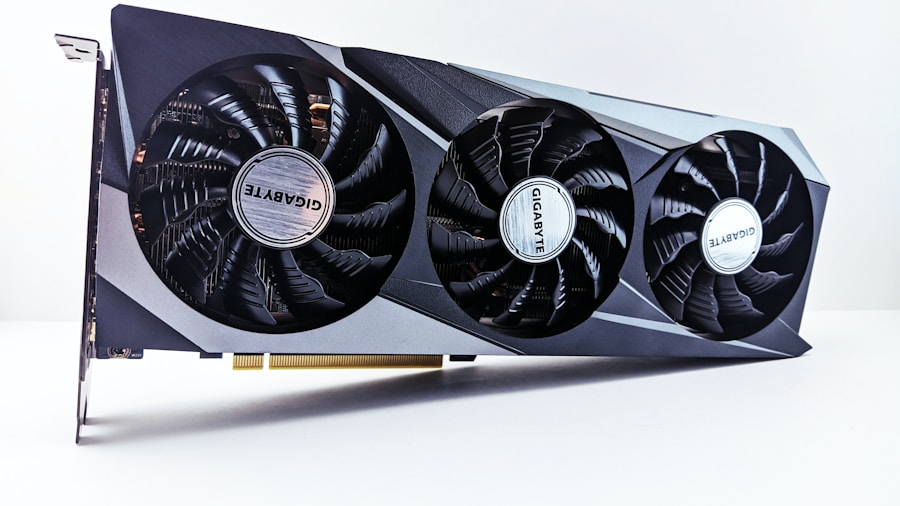
The resurrected RTX 3060 12GB presents a cautionary example of GPU market conditions in 2026. Memory constraints stemming from the artificial intelligence chip shortage have squeezed gaming graphics card availability and raised overall price floors. Recent innovations in data center GPU power efficiency continue to shift resources away from consumer gaming hardware, exacerbating supply challenges.
Shoppers evaluating this card should consider several alternatives. The RTX 5060 at roughly the same price delivers superior performance and efficiency. Older, used RTX 3060 models often appear on secondary markets at more reasonable prices than this re-release. Major retailers occasionally offer renewed or refurbished units at discounts. Even entry-level options like the RTX 5050 provide faster gaming performance at lower prices.
The broader lesson here extends beyond this single GPU. Price surges on legacy hardware indicate tight supply conditions across the graphics card market. When decades-old designs command premium pricing, it signals that gamers face constrained choices. Budget shoppers should carefully compare specifications, actual gaming performance benchmarks, and total cost of ownership rather than assuming older chips cost less simply because they lack recent innovations.
If you’re in the market for a graphics card, take time to evaluate current prices across multiple retailers. Compare the RTX 3060 12GB directly against newer options at similar price points. Look for performance metrics in games you actually play, not just theoretical specifications. The graphics card market remains volatile, and rushing into a purchase based on launch-window pricing often leads to regret within weeks.







Write Your Review
No reviews yet. Be the first to share your experience!