

AMD’s latest Ryzen lineup demands modern platform support, but you don’t need to empty your wallet to get it. A new budget-friendly motherboard option is changing what shoppers should expect to pay for a solid AM5 foundation.
The B850 Motherboard Game Changer
The Sapphire Pure B850M WiFi is drawing attention for delivering essential features at just $127, a price point that challenges the assumption that you must spend heavily on platform infrastructure. Built around AMD’s B850 chipset, this board supports all current Ryzen processors, including the flagship Ryzen 9 9950X3D, while remaining future-proof for upcoming Zen 6 and Zen 7 chips on the AM5 socket.
For budget-conscious builders, this represents a significant shift. Previous-generation budget options forced compromises like limited PCIe support or older connectivity standards. The B850 chipset guarantees at least one PCIe Gen 5.0 M.2 slot, a requirement that was optional on the previous B650 generation. That means you can take advantage of the latest high-speed storage without paying a premium motherboard price.
Real Performance at Real Prices
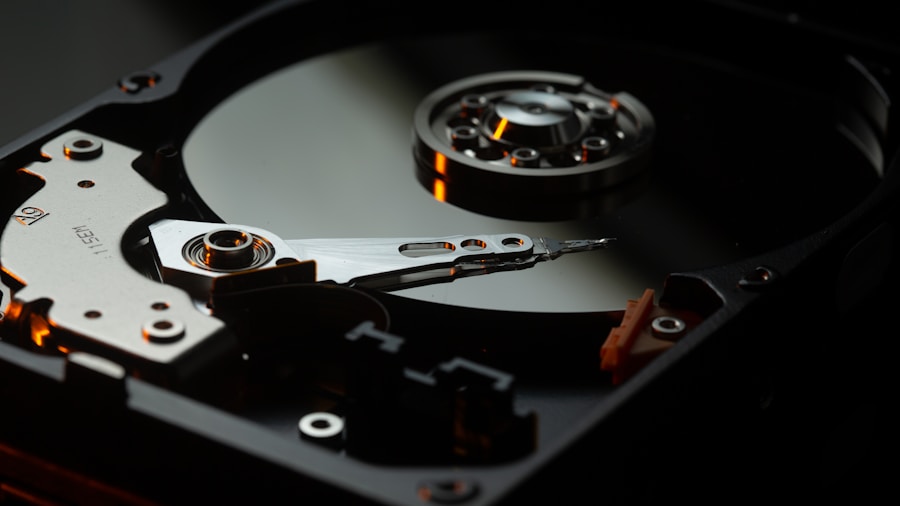
Testing reveals the board handles demanding workloads without complaint. When paired with a Ryzen 9 9950X3D, Cinebench 26 multi-threaded testing returned a score of 9,971, just 0.52% behind a motherboard costing $500 more. The VRM heatsinks maintained peak temperatures around 40 degrees Celsius under sustained load, proving the power delivery hardware is up to the task despite having fewer power phases than high-end alternatives.
PCIe Gen 5.0 SSD performance was equally impressive. Testing with flagship storage yielded sequential read speeds of 14,929 MB/s, exceeding manufacturer specifications. Unlike some competing platforms, this budget board runs the full bandwidth without bottlenecking, meaning you won’t sacrifice speed when upgrading storage later.
Graphics performance also met expectations. The board’s PCIe Gen 5.0 x16 slot supports current and future graphics cards without compromise. Testing confirmed that even budget GPUs, which often use fewer PCIe lanes, benefit from the latest interface standard.
What You Get, What You Don’t
The rear I/O panel includes solid connectivity for the price: three USB 3.2 Gen 2 Type-A ports running at 10Gbps, one USB-C port at the same speed, four USB 2.0 ports, and a 2.5Gbps Ethernet connection. Wi-Fi 6 is integrated, handled by the standard Realtek ALC897 audio codec. A BIOS flashback button enables CPU updates without matching BIOS versions, and an LED debug system helps diagnose boot issues.
Missing are premium touches found on costlier models. There’s no USB4, no Wi-Fi 7, no high-end audio codec, and no quick-release PCIe slot latches. If you’re planning to use Thunderbolt accessories or need maximum network bandwidth, you’ll want to step up to an X870 board. For most gamers and content creators, however, these absences don’t translate to real-world limitations.
The Practical M.2 Tradeoff
The board includes two M.2 slots, one Gen 5.0 and one Gen 4.0. The placement does require removing a heatsink to access both drives, and large heatsink-equipped storage may not fit back under the cooler. This is an acceptable compromise for the price, though it means planning your storage layout during initial build rather than hot-swapping later.
What This Means for Your Next Build
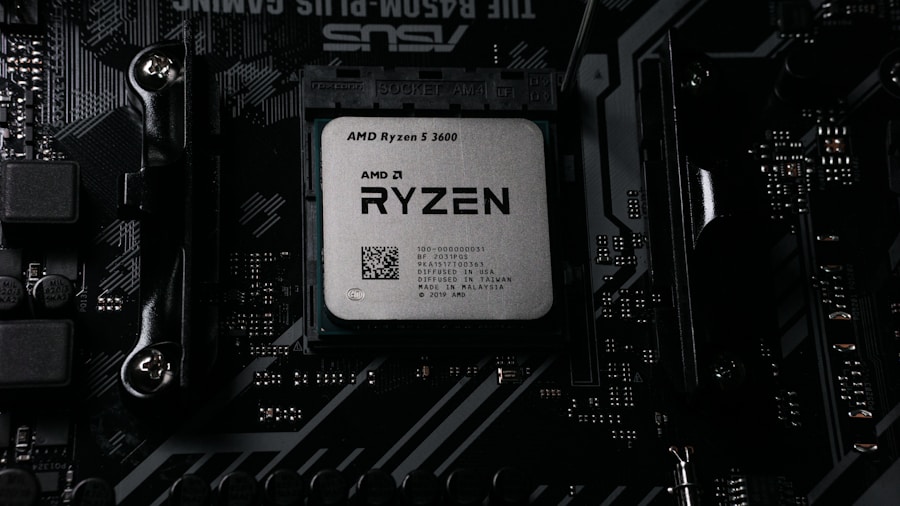
The availability of genuinely capable budget motherboards affects how you should approach platform selection. AM5 compatibility spans multiple generations of Ryzen processors, meaning your motherboard choice influences upgrade paths for years. Spending an extra $40 to $50 on a B850 board instead of an A620 model gives you PCIe Gen 5.0 support, better future-proofing, and no meaningful performance penalty for current workloads.
This matters particularly if you’re considering high-end components. When flagship Ryzen chips like the 9950X3D cost $700 or more, and quality GPUs command similar prices, the idea that motherboard cost should be proportional to component cost makes less sense. A $127 platform handles $1,500 worth of processors and graphics cards without breaking a sweat, delivering 99% of the performance of boards costing four to five times as much.
The sweet spot philosophy extends beyond raw power delivery. The board’s minimalist white aesthetic, robust PCIe slot reinforcement, and comprehensive I/O coverage show that budget doesn’t mean feature-starved. As CPU power consumption trends upward, having adequate power delivery infrastructure matters for stability and longevity regardless of price point.
The Bottom Line for Shoppers
The B850 generation demonstrates that value in platform hardware comes from nailing essentials, not from packing every possible feature. For builders focused on getting maximum performance from current components while maintaining upgrade flexibility, this represents genuine value. The board supports today’s fastest Ryzen processors, tomorrow’s storage technology, and future GPU standards without charging premium prices for options most people never use.







Write Your Review
No reviews yet. Be the first to share your experience!