

The Economics of Hardware Repair Have Shifted Dramatically
A recent repair demonstration has exposed a surprising trend that could reshape how enthusiasts and businesses approach damaged computer hardware. When a technician successfully restored two server-grade DDR5 memory modules valued at approximately sixteen thousand dollars, the repair itself became secondary to a larger economic reality: fixing high-end components now makes financial sense in ways it simply did not a few years ago.
The shift stems from astronomical price increases across premium memory and processor components driven by AI-driven demand. Previously, replacing a failed memory stick cost roughly the same as repairing it, making replacement the obvious choice. Today, the replacement cost for enterprise-grade DDR5 modules can reach thousands of dollars per stick, making professional repair services attractive despite labor costs of several hundred dollars. This economic inversion creates legitimate business opportunities for skilled technicians.
How Modern Components Get Repaired
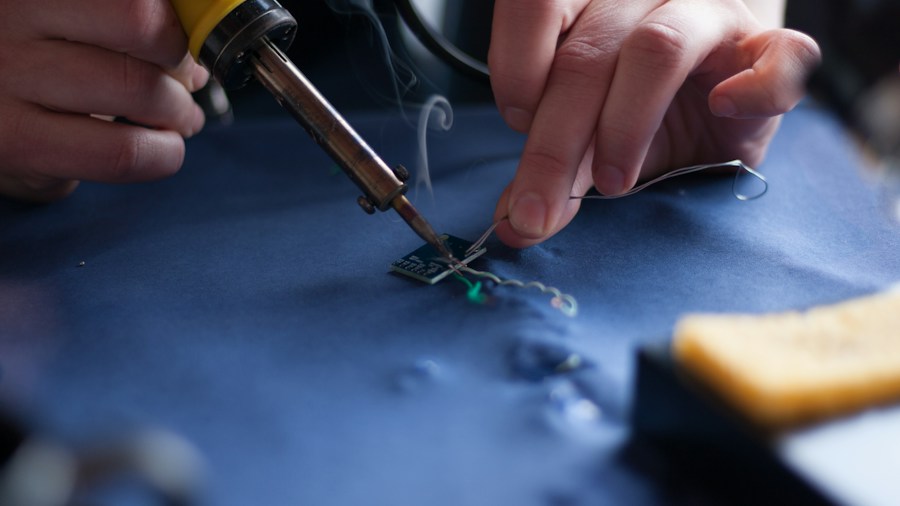
The repair process revealed in the video demonstrates sophisticated techniques that were previously reserved for graphics card and motherboard specialists. The technician used hot-air reflow soldering to restore solder connections on the first module, a non-invasive method that liquefies existing solder joints without requiring full component removal. When initial diagnostics failed to pinpoint electrical problems, this approach successfully restored functionality.
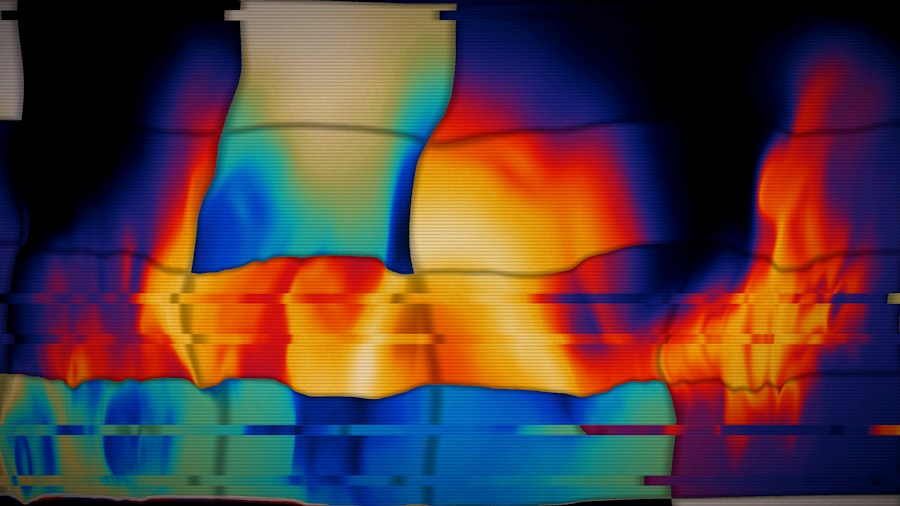
The second module presented greater challenges. Thermal imaging revealed the component was completely dead, indicating a more serious hardware failure. The technician methodically tested the power management chip and supporting components before performing a more aggressive reflow procedure. After discovering a short circuit through voltage injection testing, a damaged capacitor was replaced and the PCB trace issue was corrected. Finally, a new power management integrated circuit was soldered in place, bringing the module back to operational status. This multi-step approach mirrors techniques commonly used when addressing pricing pressures that have affected graphics card components and availability.
What This Means for Your Hardware Purchases
For consumers investing in high-end components, this repair viability changes long-term value calculations. A graphics card or memory module that would have been destined for electronic waste now represents a repairable asset. If you purchase premium hardware today, professional repair services may extend its useful life by years, effectively lowering your total cost of ownership over time.
This shift also highlights why purchasing quality components from established manufacturers matters more than ever. Server-grade memory and professional-tier components receive the engineering attention that makes repair economically sensible. Budget alternatives, by contrast, often lack the manufacturing quality and documentation that repair specialists need to restore functionality.
The broader implications extend to how we think about technology lifecycles. Rather than viewing failed hardware as disposable, manufacturers with deep expertise like long-established GPU makers have built reputations on component quality that translates to longevity. This durability becomes an asset when repair becomes viable.
The Business Opportunity in Repairs
Technicians with expertise in microsoldering, thermal management, and component-level diagnostics now have a legitimate business model. Previously, the skill set required to repair memory modules didn’t justify the effort given replacement costs. Today, a technician charging several hundred dollars for labor saves thousands in replacement costs, creating strong economic incentives to learn and practice these skills.
This emerging repair market may also influence how hardware manufacturers approach support. When replacement costs reach five figures, both manufacturers and customers benefit from repairable designs. Component accessibility, documentation, and diagnostics become competitive advantages. As new generation components face production delays and extended lead times, the ability to keep existing hardware operational takes on additional importance.
Practical Steps for Hardware Owners
If you own premium components that fail, professional repair is now worth investigating. Contact specialized repair services and obtain quotes before automatically replacing hardware. For memory modules specifically, many repair shops now offer diagnostics free or at minimal cost, so you can determine whether repair makes financial sense in your situation.
When purchasing new high-end hardware, consider serviceability as part of your decision. Components made by manufacturers with strong engineering practices and wider adoption tend to have better repair service availability. This practical consideration can significantly impact your long-term hardware costs and environmental footprint.
The economics of hardware repair are fundamentally changing, and early adopters of this mindset will likely find their premium investments remain valuable assets rather than becoming expensive waste.






Write Your Review
No reviews yet. Be the first to share your experience!