

32GB RAM Surpasses 16GB as the Standard in Gaming Builds
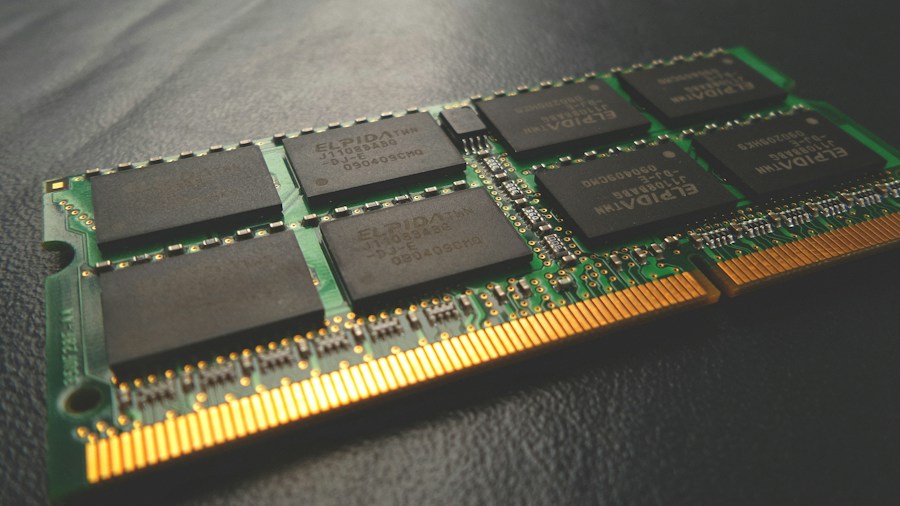
The gaming PC market is shifting toward higher memory configurations faster than ever. Recent Steam Survey data reveals that 32GB of RAM has become the most common setup among gamers, now installed in 42.22% of surveyed gaming rigs. This represents a significant jump of 4.77% in just one month, while the previous standard of 16GB has dropped to 37.82%. What makes this trend particularly notable is that it’s happening despite ongoing memory chip shortages that have driven up component prices across the industry.
The move toward 32GB reflects both changing game demands and player priorities. As modern titles become increasingly resource-intensive, developers are updating their recommendations accordingly. Even Minecraft, a game famous for running on modest hardware and unchanged for 17 years, raised its recommended RAM requirement to 16GB earlier this year. This shift means budget systems and older machines are being pushed toward obsolescence for current gaming, forcing players to either upgrade or revert to older, less demanding titles.
Unusual Memory Configurations Are Growing Too
Beyond the 16GB to 32GB transition, the data also shows interesting movement in less common memory sizes. Configurations with 24GB increased to 2.56% of systems surveyed, while 48GB setups reached 1.46%. These unusual capacities suggest that enthusiasts and content creators who also game are investing in custom builds tailored to their specific workflow needs. These buyers are increasingly comfortable with non-standard RAM amounts because they value performance optimization for multiple tasks.
This trend became somewhat surprising when major manufacturers simultaneously released new laptop models with only 8GB of RAM. Industry guidance had positioned 16GB as a practical minimum and 32GB as the future-proof standard for gaming without performance concerns. Yet manufacturers quickly contradicted these recommendations when business realities intervened. The data shows that informed PC gamers are making their own decisions based on real-world performance requirements rather than following manufacturer contradictions.
AMD’s CPU Market Share Reaches Record Levels
Beyond memory trends, the gaming PC landscape is experiencing significant shifts in processor competition. AMD’s market share among Steam users has climbed to 48.37%, the highest point recorded this year. Intel remains slightly ahead at 51.63%, but the momentum clearly favors AMD. At the pace observed since May 2026, when AMD held just under 45% share, Team Red could potentially surpass Intel within months.
The story becomes even more compelling when examining specific platforms. Among Windows gaming PC users, Intel maintains a narrow 52.59% to 47.41% advantage. However, Linux users show overwhelming preference for AMD, with 66.18% adoption compared to Intel’s 33.71%. This Linux trend is particularly important because it signals where enthusiast and professional gamers are heading. As we look at Steam’s record-breaking performance metrics, the platform diversity among millions of gamers becomes increasingly relevant to purchasing decisions.
What This Means for Gaming Rig Shoppers
For consumers building or upgrading their gaming rig, these trends carry practical implications. First, planning for 32GB of RAM is no longer excessive or premature. With this configuration now representing the majority of active gaming systems, it’s becoming the baseline for staying current. Budget builders should factor this into their total investment, as memory costs have remained elevated despite industry assurances of normalization.
Second, competition between AMD and Intel is intensifying, which benefits consumers through improved pricing and performance. Both companies are releasing competitive processors aimed directly at gamers, and the narrowing gap between them means your choice can be based more on specific performance benchmarks and platform preferences rather than brand dominance. Understanding where memory prices are heading helps inform your upgrade timeline.
Third, system requirements will likely continue climbing as game developers build titles for machines with 32GB as standard. Older systems currently adequate for gaming will fall behind faster than in previous cycles. This means planning an upgrade path becomes more important than waiting for the perfect moment to build.
The data from Steam, while not scientific, provides a reliable snapshot of actual gaming PC configurations because it draws from tens of millions of active players. These aren’t theoretical recommendations but real-world choices made by the gaming community. Whether you’re building a new system or evaluating upgrades, the market movement toward 32GB RAM and competitive CPU options means your investment should reflect where the gaming PC market is actually heading, not where it was two years ago.








Write Your Review
No reviews yet. Be the first to share your experience!