

An unreleased Ryzen 9 5900X3D processor has emerged on Chinese tech forums, offering a rare glimpse into AMD’s unused processor lineup from the Zen 3 generation. The engineering sample, which features 128MB of L3 cache, has never been publicly available and provides insight into what could have been one of AMD’s most powerful mainstream CPUs of that era.
What the 5900X3D Engineering Sample Reveals
The prototype that surfaced on Chiphell forums represents a processor that AMD developed but ultimately chose not to release to consumers. Previous knowledge of a 5900X3D focused on variants with 192MB of L3 cache, making this 128MB version the first documented evidence of AMD exploring a different cache configuration for this model.
According to the engineering sample data, the processor includes two core chiplets, each containing six cores for a total of 12 cores and 24 threads. The 3D V-Cache technology only appears on one of the two chiplets, dividing the 128MB cache pool into 96MB and 32MB stacks across the cores. This design mirrors the approach AMD would later use in its X3D processors for newer generations.
The sample demonstrated maximum frequencies around 4.7GHz, which sits approximately 100MHz below the standard Ryzen 9 5900X. This performance difference aligns with the historical pattern seen in X3D processors, where the additional cache layer sitting atop the core die reduces cooling efficiency and limits clock speed potential. The sample also carried a 105W TDP rating, identical to the non-X3D variant.
Why AMD Never Shipped This Processor

Despite having a working engineering sample, AMD made the deliberate decision to skip releasing a 5900X3D during the Zen 3 generation. Getting the sample to function required reverting to older firmware, as current BIOS versions lack support for a processor that never reached production. The space constraints of a 16MB BIOS chip mean manufacturers must prioritize support for actual shipping products.
From a market perspective, a 5900X3D likely would have positioned itself between the $549 Ryzen 9 5900X and the $799 Ryzen 9 5950X. AMD may have determined that the performance gains from 3D V-Cache technology didn’t justify the price gap for this particular generation, or the company prioritized resources toward its next-generation AM5 socket processors instead.
Implications for Today’s CPU Shoppers
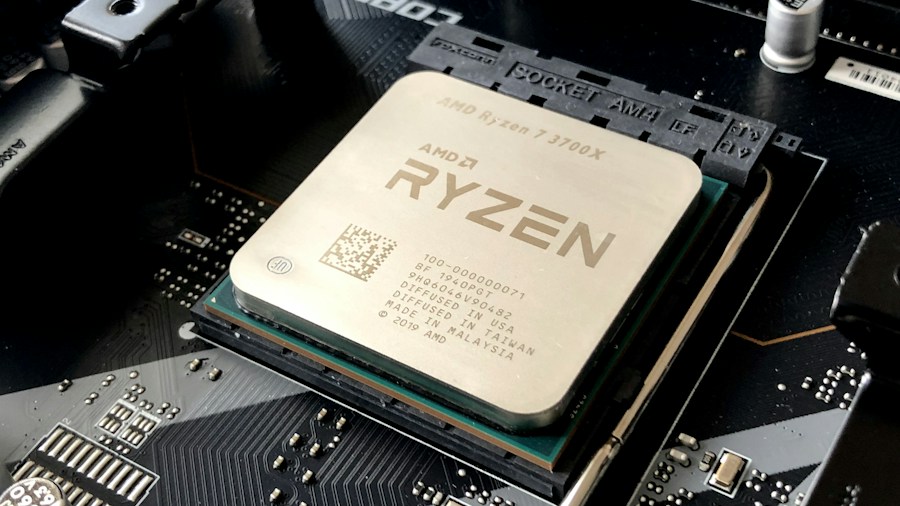
While this engineering sample never made it to retail shelves, it demonstrates how processor development extends far beyond what consumers ultimately see. AMD regularly produces and tests configurations that never reach the market due to cost considerations, competitive positioning, or strategic decisions about manufacturing and product lineup planning.
For current shoppers evaluating Ryzen processors, this discovery reinforces that AMD’s publicly available options represent carefully curated choices rather than the only possibilities. Those considering high-performance Ryzen options with specialized cache designs should focus on confirmed shipping models, which now include the Ryzen 7 5800X3D for Zen 3 and the newer X3D variants for Zen 4 and Zen 5 architectures.
The 5900X3D remains interesting primarily to enthusiasts and historians tracking processor development. The broader lesson is that AMD invests heavily in exploring different configurations and performance characteristics before settling on final product lineups. For someone shopping today, the existence of unreleased prototypes has minimal bearing on actual purchase decisions, though it highlights how much engineering work exists behind the scenes at major chip manufacturers.
Interestingly, AMD continues to refine its X3D technology across generations. Recent announcements about upcoming Ryzen Z3 handheld processors and other developments show the company remains committed to optimizing cache configurations for specific use cases.
What Shoppers Should Take Away
Consumers evaluating processors should base decisions on available products with confirmed specifications and established reviews rather than speculating about unreleased engineering samples. The Ryzen 9 5900X3D would have occupied an interesting market position nearly five years ago, but by now, superior options exist in AMD’s current lineup. Those interested in X3D cache technology should explore the proven Ryzen 7 and 9 models currently available, which offer tangible performance benefits through established designs and vendor support.
This leak serves as a fascinating footnote in AMD processor history, but practical shopping decisions should remain focused on the confirmed products available through official channels with manufacturer warranties and support.









Write Your Review
No reviews yet. Be the first to share your experience!