

G.Skill has officially rolled out new high-performance DDR5 memory modules designed specifically for AMD system builders and enthusiasts. The Trident Z5 Royal NeoX series brings fresh options to buyers looking to maximize their AMD platform’s potential without breaking the bank on premium memory.
What Changed in the DDR5 Market
The newest addition to G.Skill’s memory catalog focuses on AMD’s recently launched EXPO Ultra Low Latency technology, sometimes referred to as EXPO ULL. This represents a meaningful evolution beyond standard DDR5 specifications. While conventional DDR5 memory provides solid baseline performance, EXPO ULL introduces additional fine-tuning options that target a critical performance metric: latency at identical clock speeds.
The Trident Z5 Royal NeoX kits ship with latency ratings ranging from DDR5-6000 CL26 all the way down to DDR5-6000 CL36. These tighter timings mean your system can access data faster, which translates to smoother gaming experiences and quicker multitasking response times. The Trident Z5 Royal NeoX DDR5 launches with EXPO ULL support, giving AMD users a compelling reason to consider upgrading from older generation memory.
Sub Timing Adjustments Explained
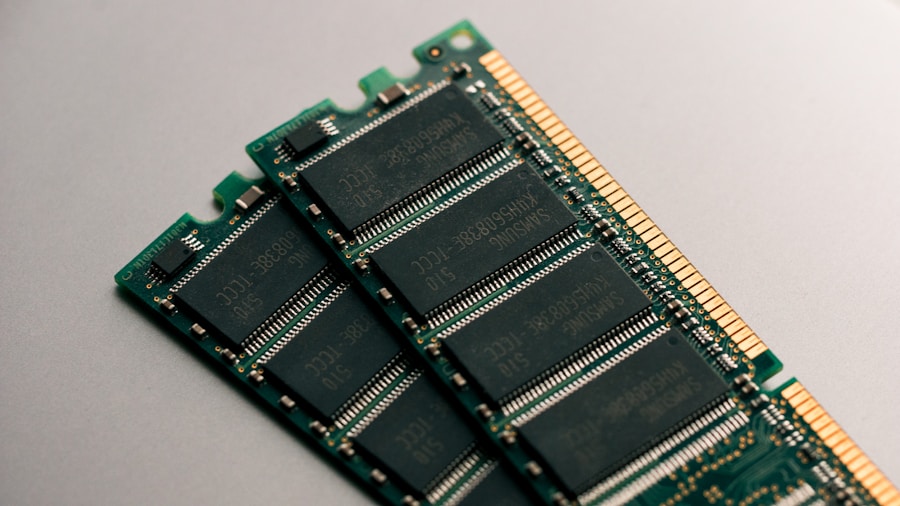
The key difference between standard EXPO and EXPO ULL lies in the depth of timing control available. EXPO ULL allows motherboard manufacturers and memory vendors to adjust sub-timings beyond what traditional profiles permit. Think of it this way: standard memory settings act like a broad adjustment, while EXPO ULL works like a fine-tuning knob that gets you closer to optimal performance.
When paired with a compatible AMD CPU and motherboard running the latest BIOS updates, these tighter timings yield real-world improvements. Gamers may notice reduced frame time variance, while content creators will experience faster buffer operations. The latency gains remain consistent across the speed tier, meaning you do not sacrifice bandwidth to achieve better responsiveness.
What This Means for AMD Buyers Right Now
If you are building or upgrading an AMD Ryzen system, this announcement matters because options have expanded. Previously, DDR5 memory tailored for AMD with EXPO support existed, but the ULL variant opens doors for users who want maximum performance from their platform. The Royal NeoX design carries forward G.Skill’s traditional aesthetic, featuring mirrored heatspreaders in silver or gold finishes paired with crystalline RGB lighting that integrates well with modern PC builds.
However, buyers should understand that not every AMD system benefits equally from EXPO ULL. Your motherboard must support the profile via a BIOS update, and your CPU model needs compatibility. Mid to high-end Ryzen 7000 series processors are the primary targets, though newer releases will offer broader support. Before purchasing, verify your specific motherboard model against G.Skill’s compatibility list to avoid disappointment.
Availability and Phased Rollout
G.Skill plans to introduce these kits in phases across different regions. Availability will gradually expand over the coming weeks, so do not be alarmed if your preferred capacity or speed variant takes time to reach your local retailers. Early adoption windows typically offer better selection, though pricing may reflect initial demand premiums.
The memory market has seen significant fluctuations in recent years. DDR5 memory pricing has hit notable peaks, so monitoring when these new kits become available in your region helps you catch the best deal. Additionally, bot scalpers have overwhelmed DDR5 retailers at times, making it worth shopping from established vendors with purchase protections.
Who Should Upgrade
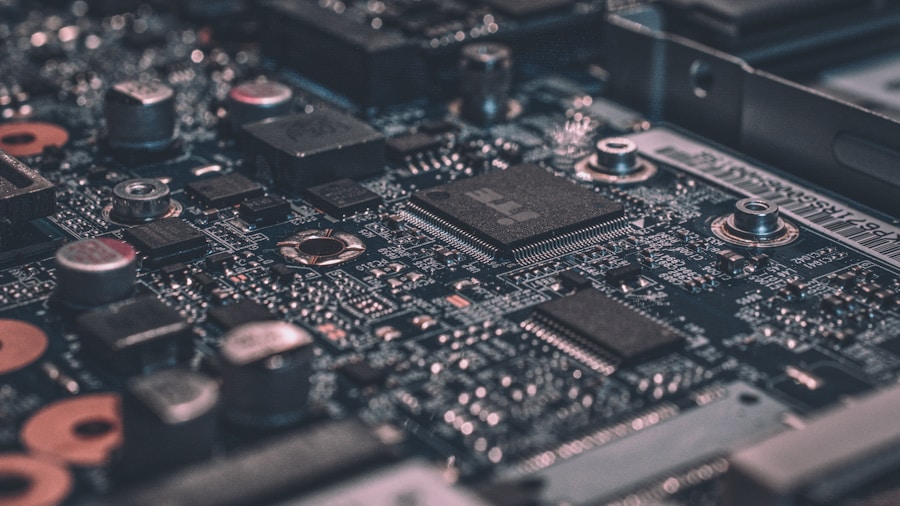
Existing DDR5 users running standard EXPO profiles on AMD systems represent the primary upgrade audience. The latency improvements translate into measurable performance gains, especially for users prioritizing 1080p high-refresh-rate gaming or memory-intensive productivity workloads. Builders selecting components for new Ryzen systems should seriously evaluate whether EXPO ULL support justifies the potential cost difference compared to standard DDR5 options.
Budget-conscious shoppers will want to compare total system costs carefully. While EXPO ULL memory offers legitimate benefits, the premium over conventional DDR5 may not justify the expense if your use case does not demand maximum performance. Casual gamers and general productivity users will find standard DDR5 perfectly adequate.
Looking Ahead
This expansion of the DDR5 landscape signals that memory manufacturers continue innovating around AMD’s platform specifications. As EXPO ULL becomes more widely adopted, expect additional vendors to release competing products. This competition typically benefits consumers through improved performance and more aggressive pricing over time.
The next generation of AMD systems will likely ship with EXPO ULL as a baseline expectation rather than a premium feature. For now, however, buyers have the opportunity to make informed upgrade decisions based on their specific performance needs and budget constraints.








Write Your Review
No reviews yet. Be the first to share your experience!