

Automated Bots Flooding DDR5 Market at Unprecedented Scale
The DDR5 memory market is facing a critical problem that goes far beyond typical supply shortages. Security researchers have uncovered evidence that automated bot networks are dominating retailer websites at a shocking rate, with one major retailer reporting that bots account for roughly 91 percent of all traffic reaching DDR5 product pages. This translates to approximately 10 bot requests for every single legitimate customer visit.
The sheer scale of this activity is staggering. DataDome researchers documented one bot operation that generated more than 10 million blocked requests in a single monitoring window. In that operation, individual DDR5 listings were being checked approximately once every 6.5 seconds, with each product polled around 551 times per hour. These bots are specifically designed to bypass standard stock monitoring by using cache-busting techniques that defeat cached pricing and availability data.
Price Surges Correlate with Bot Activity

The timing of this bot surge coincides with dramatic price increases across the DDR5 market. A 32GB DDR5-6000 memory kit that cost an average of $72 just one year ago now sells for around $392 on major retailers. That represents a 444 percent increase in pricing. For high-capacity kits, the situation is even more extreme, with 128GB DDR5-6400 sets reaching $3,399, a tenfold increase from their lowest recorded prices.
On secondary markets like eBay, the pricing crisis is even more severe. Some retailers are listing G.Skill’s Trident Z5 Neo 32GB kit at $836.54 against a standard retail price of $429.99, roughly double the manufacturer’s suggested price and seven times what the same kit cost before the current shortage began.
Why This Shortage Is Different from Previous Crises
The DDR5 scalping crisis differs significantly from graphics card and console shortages that occurred in 2020 and 2021. Those earlier shortages eventually resolved because manufacturers had confirmed restock dates that customers anticipated. When supplies finally returned, resale demand collapsed because legitimate inventory became widely available.
The DDR5 situation lacks a clear timeline for consumer relief. Industry analysts predict that no meaningful restock of consumer DDR5 memory will arrive before 2027 at the earliest. This extended timeline means scalpers face minimal risk that their inflated inventory will suddenly lose value due to fresh supplies hitting shelves.
Large technology companies have already secured massive portions of future DRAM production. Hyperscale data center operators have reportedly placed deposits against most of 2027’s total DRAM output, which severely limits what will be available for individual consumers and smaller businesses.
How Retailers Are Responding
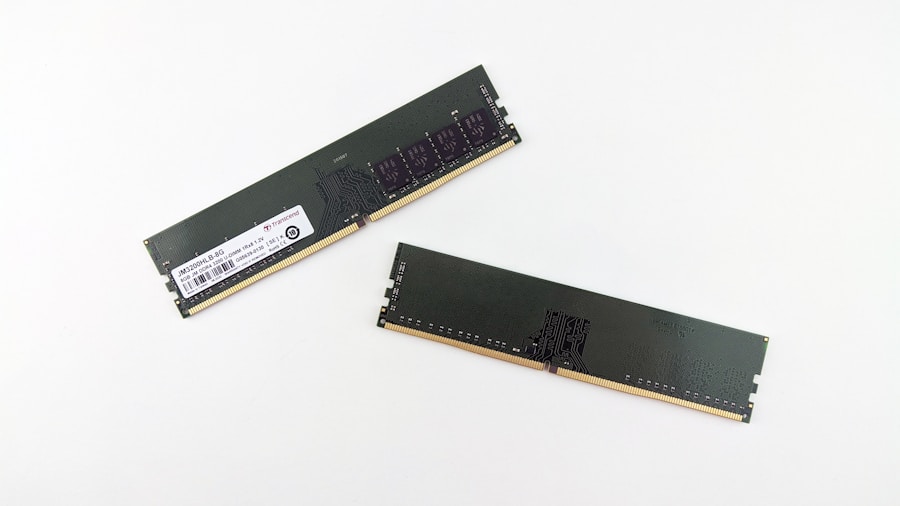
Some retailers have implemented restrictions to combat scalping and bot activity. Framework discontinued standalone RAM sales in response to persistent scalping pressure. Micro Center now sells CPU and 32GB DDR5 bundles exclusively in physical stores with a strict one-per-household purchase limit to prevent coordinated bulk buying.
Major online retailers including Newegg and Amazon have responded by bundling memory with processors. These bundles force customers to buy a complete CPU-plus-memory package, with the DDR5 kit priced well below its standalone cost. This strategy makes reselling individual components less profitable because scalpers must then sell matched processor-memory pairs, which is considerably more difficult.
You may have noticed significant price increases across DDR5 offerings throughout 2024, and bot activity is a major contributing factor to these ongoing increases. The dramatic year-over-year price surge in DDR5 memory reflects both legitimate supply constraints and artificial scarcity created by automated purchasing systems.
What This Means for PC Builders
Consumers shopping for DDR5 memory should expect continued high prices and availability challenges throughout the remainder of 2024 and into 2025. Bot activity means that even when stock briefly appears online, it may be claimed by automated systems within seconds, leaving human shoppers unable to complete purchases.
Your best strategy involves purchasing bundled packages when available, shopping at retailers with in-store purchase policies, or considering existing inventory rather than waiting for theoretical future restocks. Setting aside budget for DDR5 purchases is essential, as prices show no indication of returning to previous levels in the near term.
This crisis demonstrates how critical bot mitigation has become for modern e-commerce, particularly in hardware markets where supply already struggles to meet demand. Until either supply improves dramatically or retailers implement more aggressive bot-blocking measures, consumers should prepare for an extended period of elevated DDR5 pricing and limited availability.









Write Your Review
No reviews yet. Be the first to share your experience!