

Cooling manufacturer Noctua has revealed a groundbreaking new approach to CPU cooling with its thermosiphon technology, and early performance data suggests it could reshape what shoppers expect from high-end coolers. Unlike traditional all-in-one liquid coolers, this innovative design eliminates the pump entirely, relying instead on physics and phase-change technology to move coolant through the system.
How the Thermosiphon Works
The thermosiphon operates as a gravity-driven, two-phase cooling loop. Heat from your CPU causes the working fluid to evaporate, and this vapor rises naturally to a condenser unit at the top. The condenser cools the vapor back into liquid form, which then flows downward to repeat the cycle. This is fundamentally different from traditional liquid coolers that pump warm liquid to a radiator for cooling.
The key innovation lies in the evaporation process itself. According to Noctua’s product team, vaporizing fluid removes roughly fifty times more heat energy than simply warming it, allowing the thermosiphon to handle demanding processors with remarkable efficiency. When the vapor condenses in the upper unit, it releases that thermal energy to cooling fins, and two Noctua fans push air through to dissipate the heat. The condenser looks similar to a traditional radiator, but its purpose is condensation rather than liquid cooling.
Performance and Compatibility
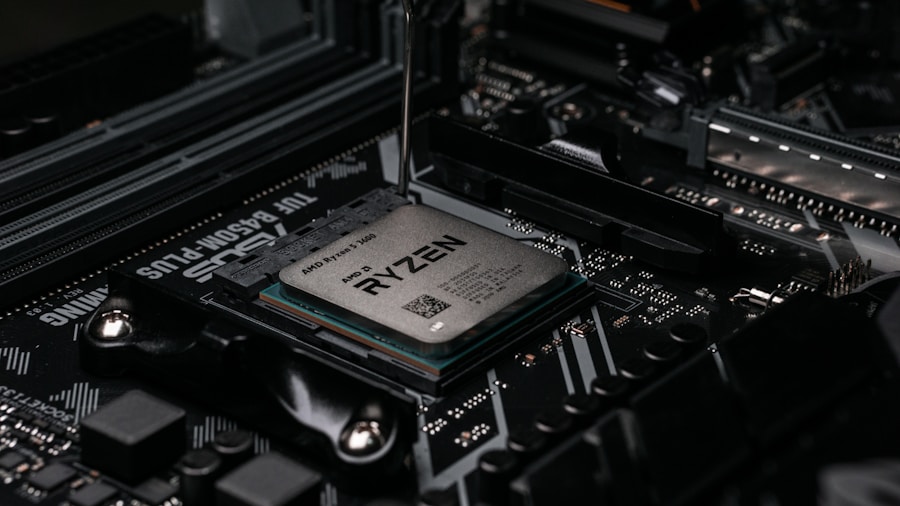
Testing at Computex showed the thermosiphon matching the performance of Noctua’s existing NC-LC1 all-in-one cooler while keeping a Ryzen 9 9950X3D in the low 80s Celsius at 1,800 RPM fan speed. This means the cooler delivers plenty of headroom for quieter operation if you prefer reduced fan noise. Noctua’s engineering team states that compatibility with the LC1 liquid cooler is the primary target for this first release, so users can expect similar results across Intel and AMD’s highest-end processors.
The initial release will feature a 360mm condenser unit, chosen for its balance of performance requirements and case compatibility. A 420mm variant is likely coming soon, but a 240mm version faces significant engineering challenges. Gravity-driven cooling requires the condenser to sit above the evaporator, making small form factor compatibility complicated. The 10 Best High Performance CPU Coolers of 2026 will likely include this model once it becomes available to consumers.
The Pump-Free Advantage
Eliminating the pump delivers two major benefits that matter to serious PC builders. First, there is zero pump noise and zero vibration, addressing one of the common complaints about liquid cooling systems. Second, and perhaps more importantly, removing the pump eliminates a critical failure point. Traditional all-in-one coolers can suffer pump failures that render the entire cooling solution useless, but the thermosiphon has no moving parts in the cooling loop itself.
This translates directly to longevity. Noctua is targeting a 10-year lifespan with no meaningful performance degradation during that period, which exceeds what most all-in-one coolers deliver. The only long-term concern is air permeation through the tubes, a process that develops extremely slowly. The company expects users may run these coolers substantially longer than a decade before seeing any real performance impact, though predicting exact failure points beyond ten years becomes unreliable.
Engineering Challenges and Cost
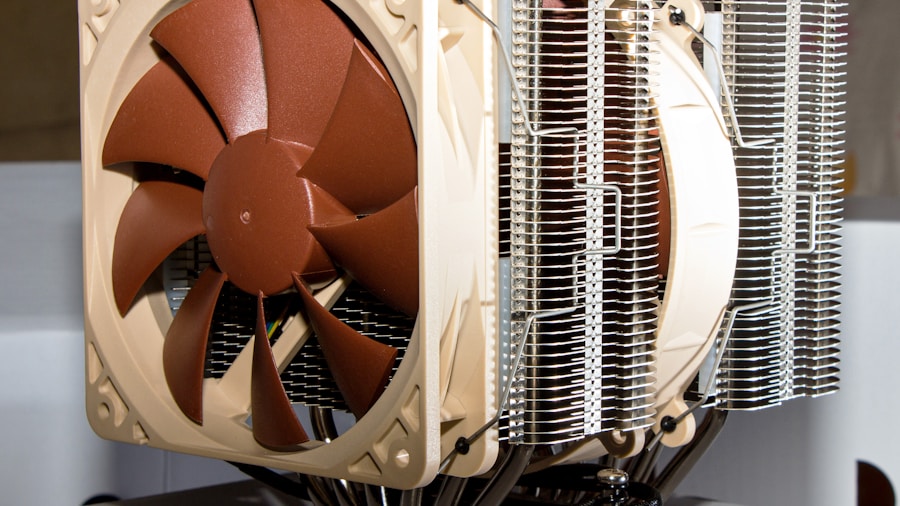
Developing this technology required Noctua to collaborate with Belgian cooling specialist Calyos and assemble a ten-person international engineering team spread across Sweden, Taiwan, Vienna, and elsewhere. The biggest challenge involved managing boiling behavior on modern CPUs with extremely dense heat hotspots. High-performance processors create conditions where vapor bubbles can form a blanket that actually insulates the surface from cooling, reducing efficiency precisely where you need it most. Solving this problem consumed significant development time and resources.
These engineering investments will reflect in pricing. The thermosiphon will cost notably more than the $249.99 NC-LC1 liquid cooler, though Noctua states it will not cost twice as much. Based on the available information, pricing will likely fall somewhere between $350 and $450 for the 360mm model. The 10 Best CPU Coolers with RGB of 2026 may not include this model if it maintains minimal aesthetic customization, though the final design remains under refinement.
What This Means for Shoppers
The thermosiphon represents a genuine alternative to traditional liquid cooling rather than an incremental improvement. If you value quiet operation, long-term reliability, and consistent performance equivalent to the best all-in-one coolers currently available, this technology warrants serious consideration. The ten-year durability claim, backed by engineering validation, appeals to builders who keep their systems for multiple years and view cooling as a long-term investment.
Current all-in-one cooler buyers seeking quieter operation with comparable performance should wait for official availability and pricing confirmation. The technology delivers on its core promises: eliminating pump failures, reducing noise, and providing exceptional longevity. As production scales and future variants become available, the thermosiphon may eventually outperform traditional liquid coolers, though that is not the goal for the initial release. For now, it offers a premium alternative that solves real problems for demanding PC builders and system longevity enthusiasts.









Write Your Review
No reviews yet. Be the first to share your experience!