

DDR5 Memory Costs Soar to Record Highs, Putting PC Builds Out of Reach
The cost of building a custom PC just became significantly steeper. A 32GB kit of DDR5 6000 MT/s memory, widely considered the performance sweet spot for gaming and content creation rigs, now carries a price tag around $400. This represents a staggering four-fold increase from the lowest prices seen in previous years, when the same configuration cost roughly $80.
DDR5 6000 has long served as the benchmark for both performance and value in the memory market. At this speed, users gain meaningful performance improvements over slower alternatives while maintaining reasonable pricing, at least historically. The crossing of the $400 threshold signals a dramatic shift in the PC building landscape that directly affects consumer choices and budgets.
What Caused These Dramatic Price Increases
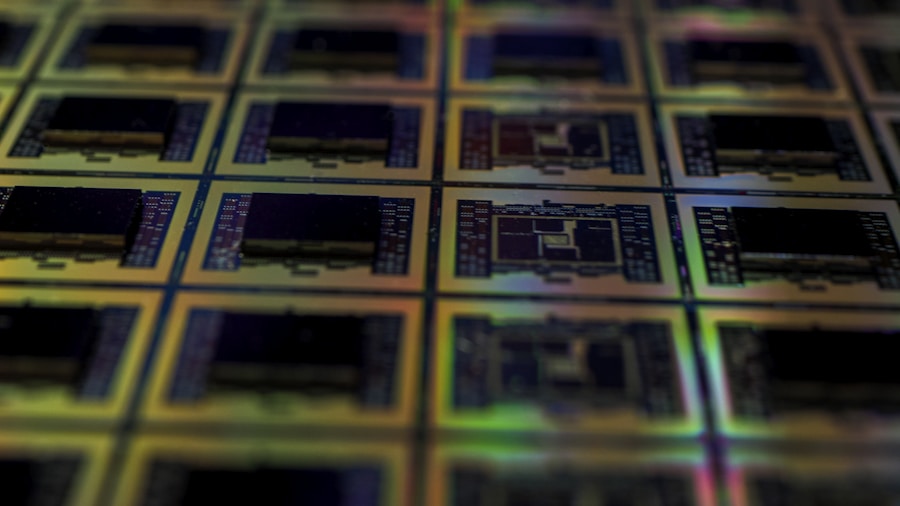
Several interconnected factors have conspired to drive memory costs upward. The artificial intelligence boom is consuming enormous quantities of global manufacturing capacity for NAND and flash memory. Data centers and AI companies are prioritizing orders for enterprise-grade components, leaving consumer-focused production in the shadows. This supply squeeze has forced manufacturers to choose between serving high-margin enterprise clients or lower-margin consumer markets. Some companies, including memory giant Micron, have openly shifted their strategies away from consumer-branded offerings like Crucial in favor of enterprise contracts.
The situation shows no signs of stabilizing anytime soon. Industry analysts predict that memory shortages and elevated pricing will persist throughout coming months as AI infrastructure buildouts continue accelerating globally.
What Your Options Are Right Now
Slower DDR5 memory operates at lower price points. A 32GB kit running at 4800 MT/s costs approximately $359, offering a $40 savings compared to the 6000 MT/s equivalent. However, choosing slower speeds represents a meaningful performance trade-off. Current trends suggest that memory pricing will continue climbing, making even these modest discounts temporary.
Some memory configurations have experienced even more extreme price increases. High-capacity 128GB DDR5 kits now retail for approximately $3,400, representing a 500 percent increase from historical baseline prices. These numbers underscore a broader shift affecting the entire memory market, not just the consumer sweet spot.
For shoppers determined to build or upgrade systems, pre-built PCs and system bundles offer relative insulation from component price spikes. Manufacturers purchasing parts in bulk for assembly can often secure better pricing than individual consumers buying retail. If you need a new gaming or workstation PC, exploring pre-configured systems may yield better overall value than sourcing components separately.
The Broader Impact on PC Building Culture
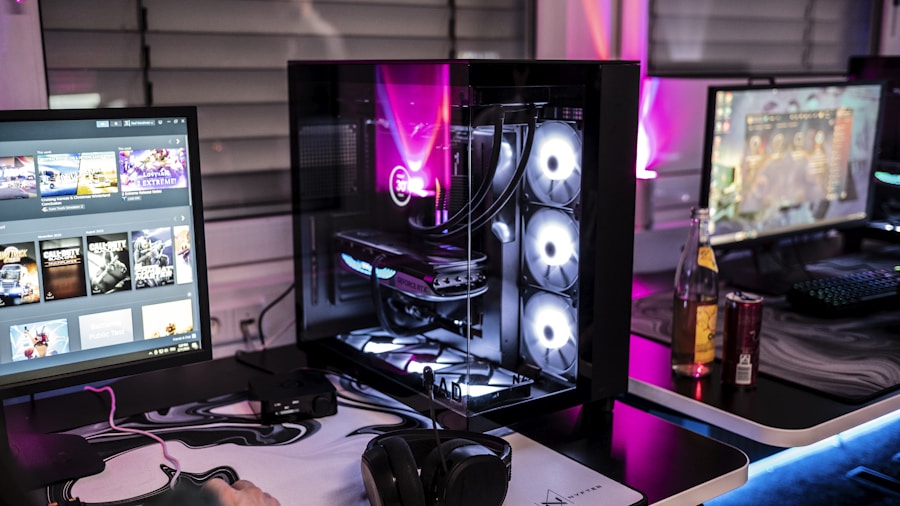
PC building has traditionally appealed to enthusiasts partly because custom systems could deliver superior performance at competitive prices compared to pre-built alternatives. Rising component costs are eroding this advantage. When memory alone costs $400, the entire economics of custom building shifts. Buyers increasingly find that pre-configured systems offer comparable specifications at similar or lower total costs, reducing the financial incentive for DIY assembly.
DDR5 adoption in consumer systems remains relatively recent. Many builders have either completed their transitions to the new memory standard or delayed upgrades due to pricing. This creates a challenging moment: those who need memory today face steep costs, while those considering future upgrades face uncertainty about whether prices will eventually decline or stabilize at elevated levels. Supply chain pressures continue mounting, suggesting that relief may not arrive soon.
Moving Forward: Practical Guidance for Buyers
If you require memory upgrades or are planning a new build, several strategies merit consideration. First, evaluate whether slower memory speeds might suffice for your actual workload. For many gaming scenarios and general productivity tasks, DDR5 4800 delivers excellent performance, and the $40 savings accumulates across multiple purchases. Second, consider timing: if your upgrade isn’t urgent, waiting may allow supply situations to evolve, though no guarantees exist that prices will drop.
Third, explore complete system solutions rather than component-by-component purchasing. Manufacturers often bundle memory more competitively than retail channels, and understanding specifications and guarantees becomes crucial when making larger commitments. Finally, monitor industry developments: supply situations can shift unexpectedly, creating temporary opportunities for better pricing.
The current memory market reflects genuine structural constraints in global manufacturing capacity. Until AI demand moderates or additional production facilities come online, consumers should anticipate sustained pricing pressure. Planning accordingly ensures better decision-making regardless of when you need to purchase.






Write Your Review
No reviews yet. Be the first to share your experience!