

A PS3 Modder’s Cooling Innovation Sparks Interest in Advanced Heatsink Technology
A hardware enthusiast recently shared details of an extensively modified PlayStation 3 console that pushes the limits of what aftermarket cooling components can achieve. The project, known as the PS3 Pro v3, combines industrial-grade server heatsinks with premium cooling fans to deliver dramatic performance improvements. The results demonstrate just how much thermal management can enhance gaming experience, even on legacy hardware.
The custom build employs a pair of high-performance fans coupled with server-class heatsinks mounted directly onto the console’s processors. Rather than removing the chips entirely or reducing their voltage, the modder focused purely on superior heat dissipation through better thermal pathways. When running the system with the GPU overclocked to 750 MHz core and 1,000 MHz memory (compared to stock speeds of 500 MHz and 650 MHz), temperatures stayed remarkably low: the CPU held steady at 40 degrees Celsius while the GPU reached only 42 degrees Celsius, all while fans ran at just 24 percent maximum speed.
Real-World Gaming Performance Gains
The practical benefits are substantial. According to the builder, almost every game tested showed measurable frame rate improvements across the board. This performance uplift comes without aggressive component modifications that typically shorten hardware lifespan. The heatsink-and-fan approach simply moves heat away from sensitive electronics more efficiently, allowing the processors to run cooler and maintain higher clock speeds without thermal throttling.
For consumers interested in cooling solutions, this project highlights an important principle: quality heatsinks paired with adequate airflow represent one of the most cost-effective ways to improve thermal performance. While premium cooling solutions vary widely in design and capability, the fundamental physics remain constant. Better surface area, improved contact between the heatsink base and heat source, and stronger air circulation all translate directly into lower temperatures and more stable operation.
What Makes This Heatsink Approach Effective
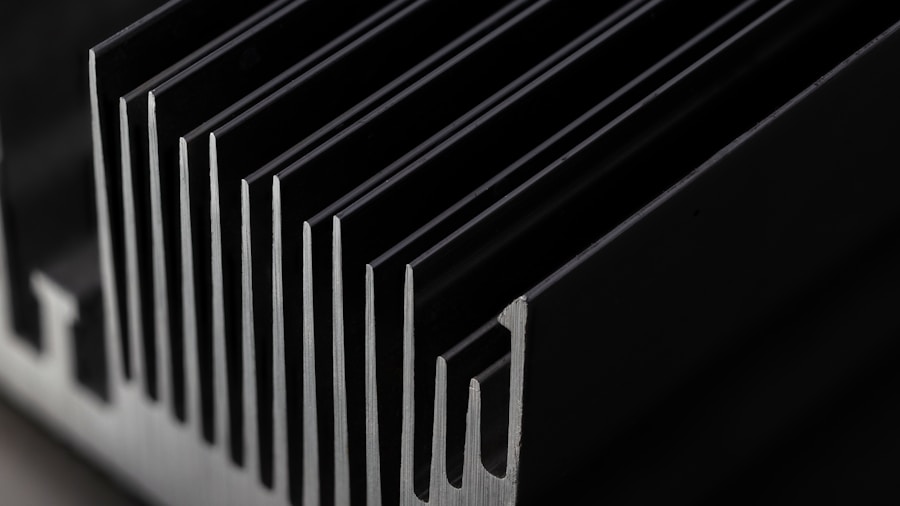
Server heatsinks are engineered for reliability in data center environments where equipment runs 24/7 under heavy load. These components feature extensive fin arrays designed to maximize heat transfer to surrounding air. Paired with industrial-duty cooling fans, they move substantial air volumes while operating at modest RPM levels. This combination proves dramatically more effective than the original cooling solution found inside consumer gaming hardware.
The modder’s choice to use tinfoil for ducting demonstrates another principle familiar to PC builders and cooling enthusiasts: directing airflow through heatsink fins rather than allowing it to disperse randomly improves thermal efficiency substantially. As cooling manufacturers continue developing new designs, effective airflow management remains central to their engineering strategies.
Considerations for Consumers Interested in Thermal Solutions

While this particular build represents a custom, non-commercial project without commercial kits available, the underlying lessons apply to anyone purchasing cooling equipment. Quality matters significantly. Premium heatsinks provide better thermal conductivity, superior manufacturing tolerances, and more sophisticated fin designs compared to budget alternatives. These factors directly influence how well a heatsink performs in your specific setup.
For those considering cooling upgrades, understanding the difference between consumer-grade and industrial-grade components proves valuable. Server-class heatsinks typically offer more aggressive thermal profiles, though they may be physically larger or less aesthetically refined than components designed specifically for consumer PC markets. The trade-off between size, appearance, and performance varies based on individual needs.
It’s worth noting that modifying gaming hardware carries genuine risks. Physical damage during installation remains possible, overclocking can reduce component lifespan, and modifications may void warranties or create compatibility issues. Anyone undertaking similar projects should research thoroughly, proceed carefully, and understand that unexpected problems could occur.
What This Means for the Cooling Market
Projects like this reinforce that thermal management remains the foundation of stable, high-performance computing across all platforms. Whether you’re building a gaming PC, selecting a laptop, or simply looking to improve your current system’s reliability, investing in proper cooling pays dividends. Consumer awareness about heatsink quality and durability continues growing as more people recognize how thermal solutions affect their hardware’s lifespan and capabilities.
When shopping for cooling products, examine heatsink design carefully. Look for models with extensive fin arrays, quality construction, and compatibility with your specific components. Pairing an excellent heatsink with an appropriately sized fan ensures you’ll gain the maximum benefit from your investment. The principles demonstrated in this PS3 project apply universally: proper thermal management makes everything run cooler, quieter, and more reliably.










Write Your Review
No reviews yet. Be the first to share your experience!