

New Mid-Tower Chassis Offers Flexible GPU Support and Modern Cooling Options
Thermaltake has introduced the Stage 450 TG ARGB, a mid-tower PC case designed to accommodate a wide range of component configurations while maintaining a compact footprint. The case measures 533 millimeters in height, 239 millimeters in width, and 479 millimeters in depth, making it a practical choice for builders working with space constraints without sacrificing performance potential.
For GPU shoppers specifically, the Stage 450 TG ARGB supports graphics cards up to 450 millimeters in length. This dimension is critical when selecting a graphics card, as many modern mid to high-end GPUs approach or exceed this length. The case accommodates ITX, mATX, and standard ATX motherboards, giving builders flexibility in choosing their platform. Air cooler heights up to 175 millimeters are supported, which pairs well with most contemporary CPU cooling solutions.
Cooling and Airflow Design Highlights
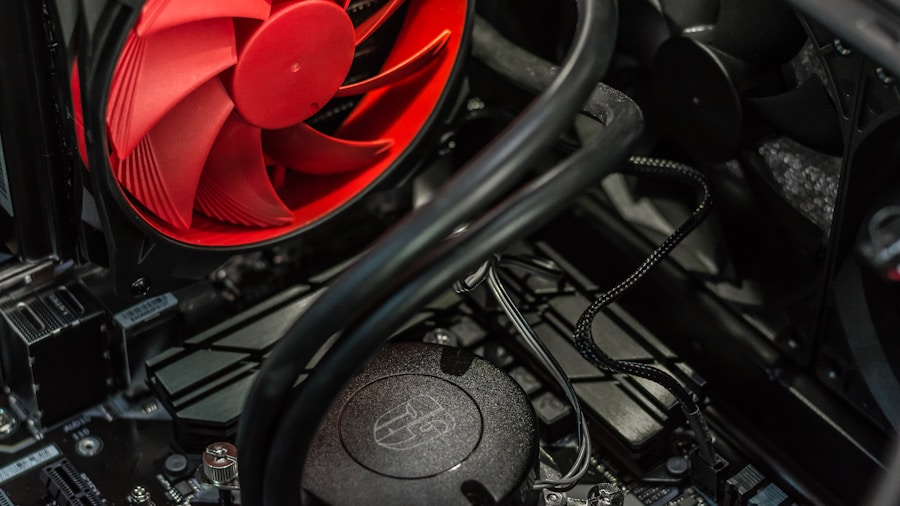
The case ships with four pre-installed fans, with three mounted along the right-side panel. This side-mounted fan configuration is noteworthy because it allows for alternative intake or exhaust strategies depending on your specific build needs. The case supports up to three 120 millimeter fans on both the top and side panels, plus an additional 120 millimeter rear exhaust fan, allowing users to build robust cooling loops. A 360 millimeter radiator can be mounted on the top panel for liquid-cooled systems, opening doors for enthusiasts looking to optimize thermal performance.
This flexibility in fan configuration matters significantly for GPU-heavy workloads. Proper case airflow directly impacts graphics card temperatures, which influences performance stability and lifespan. When selecting components that protect your graphics card, matching them with a case that supports quality thermal management is equally important.
Storage and Build Space
The case features a shortened PSU shroud that frees up additional space at the front of the chassis. This design decision has practical implications: it allows for larger graphics cards and more efficient component placement without cramped installations. Storage support includes a single rear-mounted plate accommodating either one 3.5-inch hard drive or two 2.5-inch drives, sufficient for most consumer builds focused on gaming or content creation.
The tempered-glass panels on multiple sides provide visibility into your build, a feature that appeals to buyers who invest in RGB lighting and want to showcase their components. The multiple glass panels also aid in identifying potential thermal hotspots during operation.
Optional Display Panel Changes the Game
A distinguishing feature of the Stage 450 TG ARGB is the optional 1480 by 720 pixel display panel mountable on the PSU shroud. This display integrates with Thermaltake’s TT RGB PLUS software, enabling real-time system monitoring or custom image display. For GPU buyers, this means you can track graphics card temperatures, power consumption, and utilization directly on your case without requiring secondary software windows or external monitors.
Custom imaging capability lets builders personalize their setup aesthetically while maintaining functionality. This feature appeals particularly to content creators and streamers who benefit from visible performance metrics during recording or broadcasting sessions. Those invested in top-tier GPU solutions may find value in understanding the full capabilities of their graphics hardware through real-time monitoring.
What This Means for GPU Shoppers
If you are building a PC around a modern graphics card, the Stage 450 TG ARGB presents several advantages. The 450 millimeter GPU clearance accommodates most current-generation graphics cards without compatibility concerns. The robust cooling configuration ensures your GPU operates at optimal temperatures, extending its operational life and maintaining consistent performance during demanding workloads.
The optional display panel adds practical value beyond aesthetics, functioning as a performance dashboard for your system. Builders concerned about GPU thermal stability can monitor real-time temperatures and adjust fan curves accordingly through the integrated display and software ecosystem.
Price and availability have not been officially announced for the US market, but interested builders should monitor official retail channels for release information. The combination of thoughtful thermal design, flexible component support, and modern monitoring capabilities makes this case worth considering for anyone planning a GPU-focused build.







Write Your Review
No reviews yet. Be the first to share your experience!