

The Amp-Matching Problem Gets a New Solution
Buying premium headphones traditionally opens a second can of worms: finding an amplifier that pairs well with them. High-end audio enthusiasts have long accepted this as part of the hobby, spending extra time and money researching which amp works best with their specific model. Now HiFiMAN is taking a different approach with the HE1000 WiFi by integrating a digital-to-analog converter, amplifier, wireless receiver, and driver all into a single pair of headphones, aiming to eliminate that research phase entirely.
The company’s founder, Dr. Fang Bian, framed this design not as a simple wireless upgrade but as rethinking the entire audio playback chain. Rather than seeing each component in isolation, HiFiMAN treated the complete journey from digital signal to your ears as one interconnected system. This philosophy shapes everything about how these headphones function and what trade-offs owners must accept.
Why WiFi Instead of Bluetooth Alone

Most wireless headphones rely on Bluetooth, but HiFiMAN identified fundamental limitations in that approach. Bluetooth’s narrower bandwidth can restrict the audio quality reaching your ears, yet even that doesn’t address what happens after the signal arrives. The incoming audio still needs conversion from digital to analog format, amplification, and delivery to the drivers, and traditional wireless designs often cram these functions into highly integrated chips that create their own performance bottlenecks.
Rather than accepting this limitation, HiFiMAN engineered the HE1000 WiFi around WiFi connectivity for full-resolution streaming, while still supporting Bluetooth and USB Audio as alternatives. The company developed its low-power Himalaya R-2R DAC specifically so that high-fidelity conversion could fit inside battery-powered headphones without demanding the power requirements of a desktop converter. This design philosophy means WiFi is merely the transport layer, while the real focus is controlling everything from the incoming digital stream through to the planar driver itself.
The Amp and Driver Work as a Matched Pair
Here’s where HiFiMAN directly solves the amplifier-matching headache. In traditional passive setups, listeners must choose their external amp themselves, often through trial and error. With the HE1000 WiFi, HiFiMAN makes that critical decision during the design phase and tunes the amplifier and driver to work together as a cohesive unit.
According to Fang’s technical discussions, this relationship flows both directions: the amplifier is designed specifically for the driver, while the driver is simultaneously adjusted for the onboard amplifier. The headphones use HiFiMAN’s nanometer-thin diaphragm, Stealth Magnets, and an Enhanced Magnet system that HiFiMAN says uses material and structural optimization to achieve high sensitivity without relying entirely on rare-earth magnetic materials.
The integrated amplifier is a fully balanced Class AB design with measured performance of 0.009% THD+N into 32 ohms at 1 kHz, which provides measurable insight into the internal playback chain’s quality. This integrated approach eliminates amp-matching homework for buyers, but it also removes the ability to swap amplifiers later on if you want to change your sound.
What Gets Lost: Flexibility and Battery Life
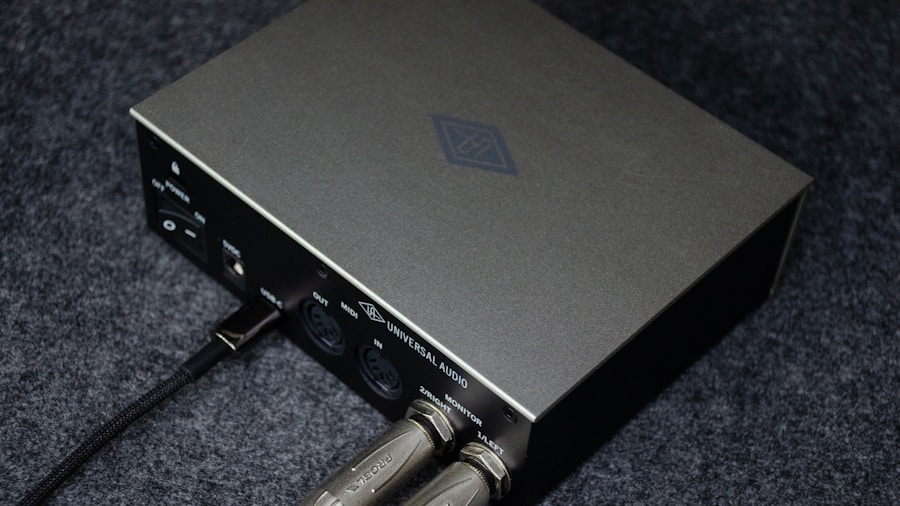
The integrated design creates one conspicuous limitation: there is no 3.5 mm or balanced analog input for connecting external amplifiers. Since the HE1000 WiFi accept audio exclusively through WiFi, Bluetooth, or USB Audio, the internal conversion and amplification remain mandatory parts of every listening session. According to Fang, the crowded internal space created by the battery and circuit board made adding analog inputs problematic due to potential noise and interference concerns.
This means listeners who enjoy experimenting with different DACs and amplifiers, or who already own a favorite desktop audio chain, lose that experimental flexibility. Understanding how to maintain headphones properly becomes more important when you cannot swap components, since repairs become the primary option.
Battery performance also carries a practical cost. WiFi streaming provides just 6.5 to 7.5 hours of listening per charge, while Bluetooth stretches that to 23 hours. For anyone planning extended listening sessions, this trade-off matters significantly. The $2,699 price tag further raises the stakes on those battery limitations.
Who Should Actually Buy These Headphones
HiFiMAN’s approach makes sense for listeners who view amplifier research as annoying overhead rather than an enjoyable hobby. Many shoppers now expect replaceable batteries and component flexibility in their audio gear, so this all-in-one philosophy represents a shift in design philosophy that appeals to convenience-focused buyers.
The convenience payoff is genuine: a source device can send music over WiFi without needing a separate streamer, DAC, headphone amplifier, or tangled cables between you and the system. USB Audio also works when a wired digital connection makes more practical sense for your setup.
However, listeners who already own quality amplification or genuinely enjoy changing DACs and amps may find these trade-offs difficult to justify. The lack of analog flexibility and shorter WiFi battery life represent real compromises for a specific audience, not universal improvements for everyone shopping for premium headphones.









Write Your Review
No reviews yet. Be the first to share your experience!