

Most people treat headphones like disposable tech, ditching them the moment performance drops or cosmetic wear appears. But the reality is different. A headphones expert who has kept wireless models functioning for nearly a decade reveals the specific strategies that transform headphones from short-term purchases into lasting investments. Understanding these maintenance practices now can save buyers hundreds of dollars and reduce electronic waste.
Start by Securing Replacement Ear Pads Before You Need Them
The first component to fail on nearly all headphones is the ear padding. Synthetic leather and cloth coverings degrade from regular skin contact, sweat, heat, and accumulated grime. Rather than waiting until the pads fall apart, savvy shoppers purchase spare padding kits upfront and store them safely.
This proactive approach solves two problems at once. First, it ensures you have pads available when degradation occurs, even years into ownership. Second, it protects you against product scarcity. Replacement parts for older models disappear from retailer inventory within a few years, and when they do reappear, prices climb significantly.
Before buying headphones, check whether aftermarket or OEM pads are readily available. If a manufacturer offers ear pads for all models in its product line, like Beyerdynamic does across its DT over-ear collection, you gain a major longevity advantage. Compatibility databases on enthusiast forums can also reveal whether your target headphones use the same earpads as more popular models, effectively extending your sourcing options. Recent surveys show shoppers increasingly prioritize replaceable components, and manufacturers are beginning to respond.
Protect the Charging Port and Battery System
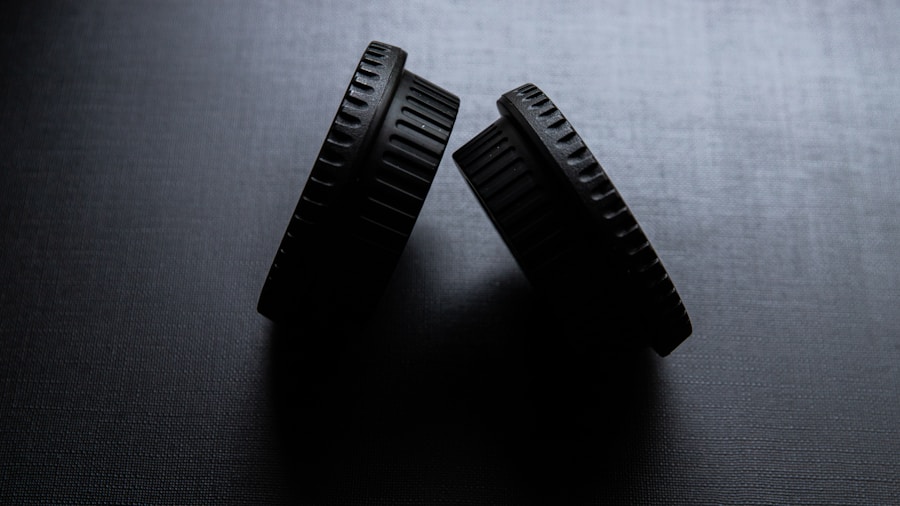
The second failure point is the power system. Wireless headphones fail when the charging port breaks or the battery degrades, and both outcomes are common because standard USB cables place intense strain on tiny solder connections inside the port.
Magnetic charging cables solve this problem by transferring strain to an external magnetic connection plate rather than to the fragile port itself. This simple swap dramatically extends port longevity. For the battery itself, maintaining optimal charge levels between 50 and 80 percent prevents accelerated degradation. Many newer models now include smart charging features that enforce these habits automatically. As upcoming models incorporate improved battery features, this advantage will become more standard across price points.
Battery replacement remains difficult for most current headphones because manufacturers seal them inside the housing. Unless you are technically confident and willing to perform internal surgery on your equipment, battery swaps demand professional help or professional-level patience. This will gradually change by 2027 as repairability standards tighten, but shoppers buying today should assume their battery is a permanent fixture.
Clean Regularly to Prevent Hidden Damage
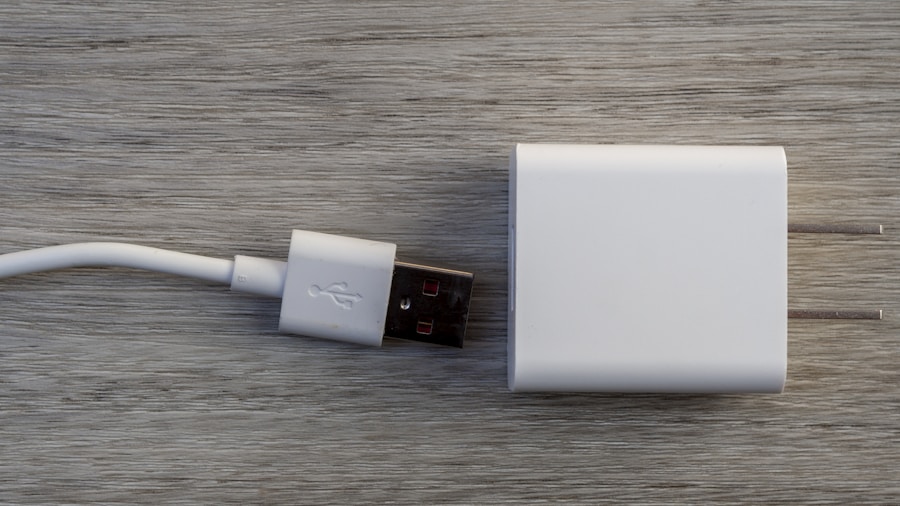
Dust and debris migrate into headphones through small vents, damaging components you cannot see. Microphone ports for active noise cancellation are particularly vulnerable, as accumulated gunk disrupts the sensor’s ability to function correctly. Speaker drivers also collect hair and grime over time, potentially causing distortion.
A maintenance routine takes minutes: wipe the exterior with isopropyl alcohol pads every week or two, use compressed air to clear vents, and periodically remove ear pads to inspect and clean the driver housing. Cleaning putty, the kind used for camera lens maintenance, works well for extracting debris from tight crevices without risk of liquid damage. As headphone designs grow more complex with additional sensors, this preventative cleaning becomes even more critical to sustained performance.
Know When to Let Go
Even with flawless maintenance, headphones reach an end of life. Once repairs become frequent and substantial, economics shift. When the cost of replacement parts, shipping, and labor approaches the price of a new unit, continuing to repair becomes irrational. After eight years of daily use, durability reaches a point where monthly failures become routine, signaling true retirement time.
The key is doing the math objectively. Buying spare pads for twenty dollars makes sense. Replacing a battery or repairing a circuit board for eighty dollars, then repeating the process months later, does not. At that threshold, moving to fresh headphones is the smarter financial decision, even if the old pair still powers on occasionally.
Headphones can absolutely outlast traditional expectations when owners commit to preventative care. Start with spare parts, use magnetic chargers, maintain optimal battery levels, and keep everything clean. These habits cost almost nothing upfront and pay continuous dividends for years.






Write Your Review
No reviews yet. Be the first to share your experience!