

The computer hardware market is experiencing a significant shift in Q2 2026, and if you’re planning to build or upgrade a PC, the news carries important implications for your wallet. Desktop processor shipments have dropped more than 20% compared to the same quarter last year, according to recent market analysis. However, the story behind this decline reveals broader pricing pressures that affect GPU buyers and system builders in unexpected ways.
Why Desktop CPU Shipments Are Declining
The sharp contraction in desktop processor sales stems from a perfect storm of rising component costs. Memory modules, solid-state drives, motherboards, and graphics cards have all increased in price, making complete PC systems significantly more expensive than they were a year ago. Desktop computers have experienced the steepest decline among major processor categories, as consumers balk at the higher total system costs required to build a new machine.
This pricing pressure has created a challenging environment for anyone looking to assemble a full gaming or productivity rig. When every major component carries a higher price tag, the cumulative impact discourages purchases. Consumers who might have upgraded annually now stretch replacement cycles longer, hoping prices will stabilize.
Market Share Shifts Despite Overall Decline
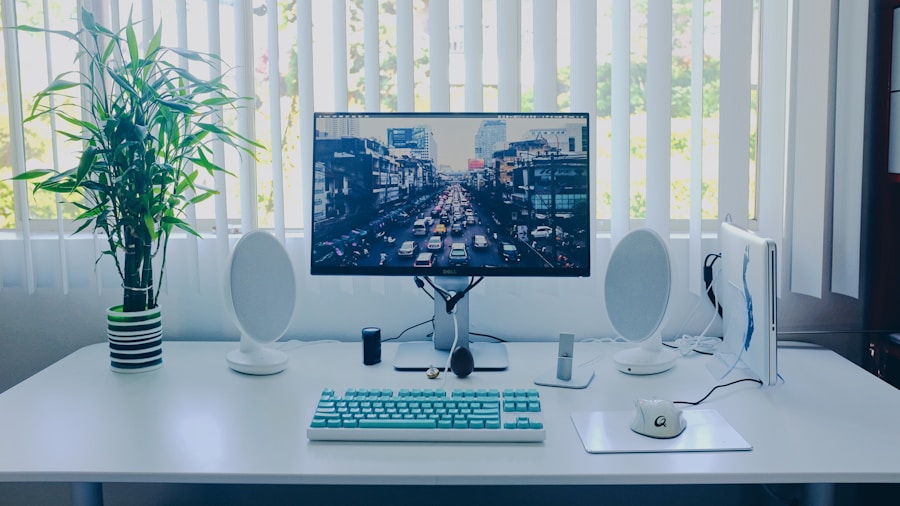
Interestingly, not all processors have suffered equally. AMD has managed to gain market share even as the overall market contracted. AMD’s desktop processor share climbed to approximately 34.9%, gaining ground on competitors. The company’s success comes partly from strategic platform decisions that attract builders focused on component compatibility and long-term upgrade paths.
AMD’s gains reflect stronger performance of its specialty processor lines and a platform that developers and enthusiasts view as a stable long-term investment. Meanwhile, AMD’s broader x86 market share reached approximately 30.7%, with even stronger performance in server and data center segments where it claims 34.5% share.
What This Means for GPU Shoppers Today
While this article focuses on processor trends, GPU prices remain directly connected to the overall system-building market. Rising GPU costs contributed significantly to the decline in desktop PC shipments reported in the market data. When graphics cards stay expensive, fewer people justify building new systems, which in turn affects demand for processors.
For shoppers evaluating GPU purchases right now, these market conditions suggest several considerations. First, pricing may remain elevated throughout 2026 if supply chain pressures persist. Second, the reduced demand for complete systems could eventually lead to discounting as manufacturers work through inventory levels. Third, quality control issues can emerge across GPU production when manufacturers rush to capitalize on pricing power, making thorough research essential before purchase.
Component Ecosystem Challenges
The interconnected nature of PC components means problems in one area cascade through the entire market. When GPU prices spike, system builders delay purchases or choose lower-cost graphics cards, which reduces overall system demand. This reduction then dampens processor sales, as fewer people buy CPUs without corresponding GPU and storage purchases.
Motherboard costs have also risen, which particularly affects those who want to build on newer platforms. Higher DDR5 memory and modern SSD prices add additional burden to budgets. Each component price increase compounds the others, ultimately pricing out budget-conscious builders and casual upgraders.
When Can Buyers Expect Relief
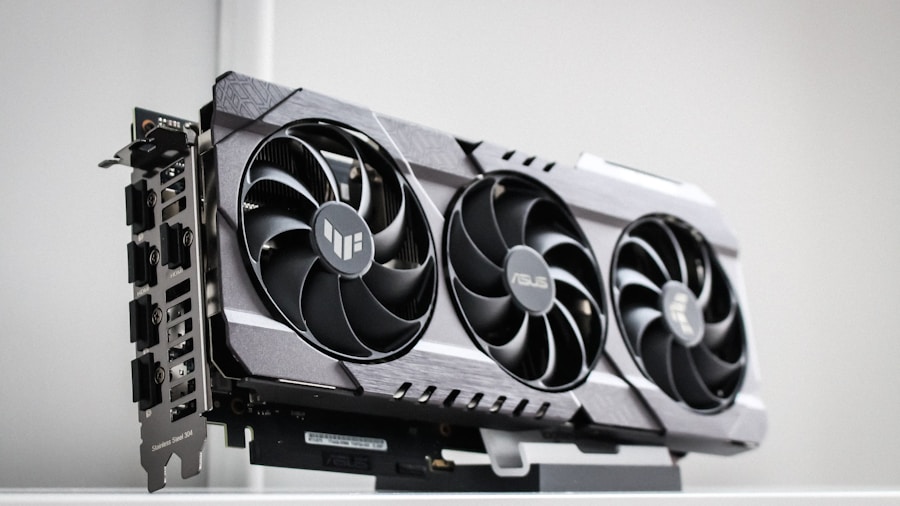
Industry observers question whether the current market contraction will lead to price stabilization later in 2026. Supply chain complications and ongoing component pricing concerns suggest that relief may not arrive quickly. Buyers considering GPU purchases should monitor market trends rather than expect dramatic price drops in the near term.
The combination of reduced demand and persistent component costs creates an uncertain environment. Retailers may begin offering promotional pricing to clear inventory, but this likely depends on whether manufacturers can address supply constraints. Driver updates and software optimizations may help maximize value from existing hardware, potentially extending replacement cycles further.
Action Items for GPU Buyers
If you need a GPU now, focus on realistic pricing expectations rather than hoping for significant discounts. Compare current prices across retailers and consider whether mid-range options might provide better value than flagship cards in today’s market. If your current GPU remains functional, delaying an upgrade might prove financially wise given current trends.
Monitor industry news for any signs of component pricing improvements. Supply chain developments and manufacturing capacity announcements could signal when prices might begin normalizing. Until then, buyers should approach GPU purchases with clear budgets and realistic performance expectations based on what they actually plan to do with their systems.






Write Your Review
No reviews yet. Be the first to share your experience!