

Twenty-five years after 3dfx ceased operations, the legendary Voodoo 3 graphics card is receiving fresh attention in the Linux ecosystem. The upcoming Linux kernel 7.3 will include an update to the tdfxfb framebuffer driver, enabling the Voodoo 3 to initialize itself without requiring the system BIOS to boot the card first. For retro computing enthusiasts and hardware collectors, this development opens new possibilities for using classic GPUs in modern and unconventional systems.
Why This Update Matters Now
The original tdfxfb driver operated under an assumption that made sense in the 1990s: the PC’s firmware would always initialize the graphics card before handing control to the operating system. This worked fine on conventional x86 machines, but the landscape has changed. Modern non-x86 platforms, systems with multiple graphics cards, and newer BIOS implementations that cannot execute legacy video BIOS code create situations where the Voodoo 3 would remain uninitialized, leaving users with a blank screen.
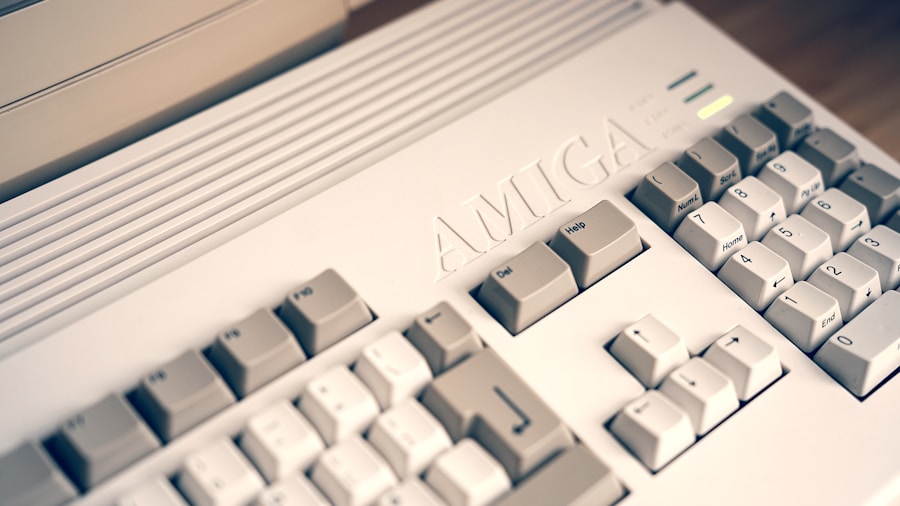
The problem became tangible for developer Daniel Palmer when he installed a Voodoo 3 in an Amiga 4000 equipped with a PCI bridge. Linux detected the GPU, but it stayed dormant because the Amiga firmware could not run the card’s video BIOS. The new driver code solves this by reading configuration data directly from the card’s BIOS and performing initialization from within Linux itself, bringing the display online without firmware intervention.
Practical Capabilities for Users
On a standard modern x86-64 computer, loading the updated tdfxfb driver creates a functional Linux framebuffer device that can drive a display. The Voodoo 3 essentially transforms from a detected but unusable device into an actual display adapter capable of outputting pixels and hosting the Linux virtual console. Applications designed to work with the Linux framebuffer interface can also draw to it, making the card useful for console-based work and legacy framebuffer applications.
It is important to note what this update does not deliver. The tdfxfb enhancement does not enable modern 3D acceleration, OpenGL support, Wayland compatibility, or contemporary gaming capabilities. Linux fbdev is a legacy graphics interface that has been superseded by the DRM/KMS graphics infrastructure for years. This means the Voodoo 3 remains a display-only device in this capacity, not a GPU ready for modern graphics tasks.
The Experimental 3D Path
Where things become far more interesting is in parallel work currently underway. Palmer is simultaneously developing experimental 3D acceleration for the Voodoo 3, which has progressed significantly beyond the framebuffer initiative alone. This effort introduces a new /dev/tdfx3d device that exposes the card’s register space to user applications, allowing software to program the card’s 3D hardware directly. On top of this foundation sits smoltdfx, a lightweight userspace library for controlling the Voodoo 3, paired with smolminigl, a minimal OpenGL 1.x implementation.
Testing has already proven successful on actual Voodoo 3 hardware. The implementation can render graphics directly through the card’s registers without requiring X, Mesa, or the period-accurate Glide driver. Palmer leveraged AI assistance to build a QEMU emulator of the Voodoo 3, which now serves as a testing platform. By comparing frame digests between emulated and physical hardware, developers can identify and fix discrepancies, gradually improving accuracy.
The miniGL library has already demonstrated the ability to run Quake on real Voodoo 3 hardware, though performance is modest and some multitexturing issues remain. This represents a complete graphics stack built from the ground up, with Linux providing device access, userspace programs controlling the GPU directly, and a lightweight OpenGL layer enabling classic 3D software to communicate with the hardware.
What This Means for Retro Computing Enthusiasts
The implications for vintage PC restoration and emulation are substantial. A PCI Voodoo 3 could theoretically be assigned to a virtual machine using PCI passthrough, allowing a guest operating system like Windows 98 to communicate directly with actual Voodoo 3 hardware through its original drivers. While the engineering challenges are significant, the kernel update provides a crucial piece of this puzzle by enabling Linux to initialize the card independently.
For buyers considering GPU options, understanding the broader landscape matters. While modern graphics cards occasionally reveal long-hidden manufacturing issues, vintage hardware like the Voodoo 3 benefits from extensive community knowledge and renewed development focus. If you are building a retro system or exploring Linux on unusual hardware platforms, the timing of this driver update could be advantageous.
The bottom line is straightforward: retro GPU builders and Linux enthusiasts now have better tools for integrating classic graphics cards into unconventional computing environments. The Voodoo 3 remains a symbol of 1990s graphics innovation, and two and a half decades after its era ended, it is still teaching Linux new capabilities.



Write Your Review
No reviews yet. Be the first to share your experience!