

Building a new PC has become increasingly difficult and expensive in 2026, and a shocking new discovery reveals just how rigged the game has become for everyday shoppers. Security researchers have uncovered that automated scalper bots now control approximately 91 percent of traffic to RAM retailer websites, leaving genuine consumers to compete for parts at nearly a 10 to 1 disadvantage.
This bot invasion represents a dramatic escalation from earlier findings that showed bots were already dominating search traffic at a 6 to 1 ratio. The latest data comes from security analysis of a major retailer over a two-week period, where researchers identified the traffic patterns using advanced detection methods. These automated systems are designed for a single purpose: identifying the lowest prices on high-demand components so human resellers can purchase them and flip them for profit.
The impact on CPU and component pricing has been severe. RAM prices have surged as much as 500 percent compared to a year ago, storage costs have climbed nearly as much, and CPU pricing remains elevated despite market fluctuations. Finished computers from major manufacturers have risen approximately 50 percent in price. For smaller companies that manufacture components and assembled systems, the situation has been absolutely devastating.
How Scalper Bots Are Manipulating the Market
The mechanics of this scheme are straightforward but effective. Scalper bots continuously scan retailer websites and marketplace listings to find in-stock components at standard retail prices. When a bot locates inventory, it triggers a purchase. The reseller then relists that same component on Amazon, Newegg, or other marketplaces at significantly inflated prices.
One concrete example illustrates the problem. A DDR5 memory kit that cost approximately $200 in early 2024 now sells for between $468 and $490 at major retailers. Third-party sellers on Amazon are listing the identical kit for as much as $892.56. Some resellers are marking up identical components by 34 percent or more above official retail prices. As inventory disappears at normal prices, algorithmic systems on these marketplaces begin promoting the inflated third-party listings, gradually raising the effective price consumers see.
This represents textbook supply chain manipulation. Resellers insert themselves between manufacturers and consumers, extracting profit at every step while genuine buyers face empty shelves and skyrocketing prices. Previous scams have shown that even when consumers purchase components online, they face additional risks such as counterfeit or incomplete products.
Why Now? The Data Center Demand Factor
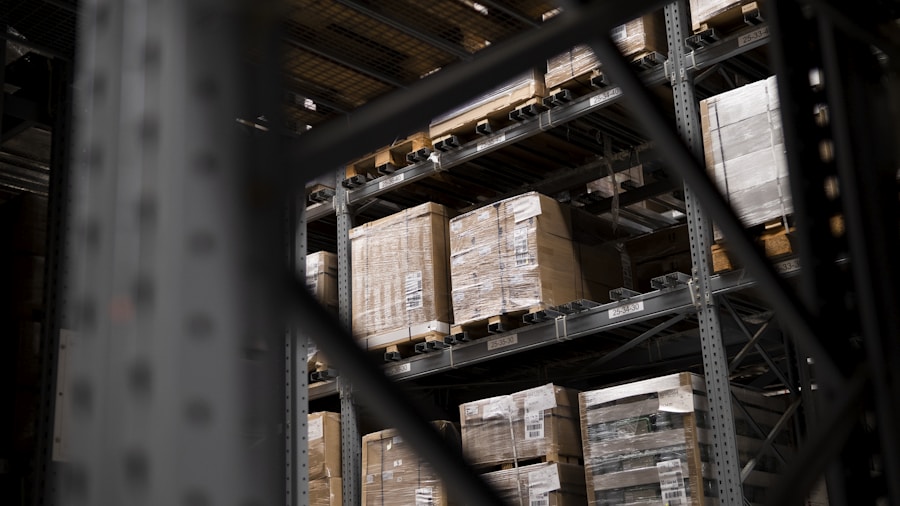
The root cause of this shortage is the explosive demand for hardware from artificial intelligence data centers. Suppliers are struggling to keep up with global demand from cloud companies and AI infrastructure providers. This fundamental scarcity is real. However, it is being weaponized by scalpers who exploit the shortage to generate massive markups.
The combination of limited genuine supply and unlimited bot-driven artificial demand creates a perfect storm. When components are scarce, scalpers know that desperate consumers will pay premium prices. When prices rise, more resellers enter the market with automated tools. This cycle feeds on itself, making legitimate component purchasing increasingly difficult.
What This Means for PC Builders and Shoppers
If you are planning to build a new computer or upgrade your system, understand that prices you see online may not be the true retail price. Many listings on major marketplaces come from resellers, not the retailers themselves. Sorting by lowest price often surfaces scalped inventory rather than legitimate stock. Alternative platforms and emerging CPU options may offer different availability profiles than mainstream channels.
The most reliable approach is to purchase directly from manufacturer websites, authorized distributors, and official retailer channels when possible. Avoid third-party sellers on Amazon and Newegg unless the price is actually competitive with the primary listing. Check multiple retailers before purchasing, and be suspicious of price variations that seem extreme.
For those considering component purchases, the situation is unlikely to improve quickly. Data center demand shows no signs of slowing, and the infrastructure supporting scalper operations remains legal and difficult to disrupt. This is shaping up to be one of the worst periods in decades to build a personal computer, with no relief in sight.






Write Your Review
No reviews yet. Be the first to share your experience!