

Samsung just announced a monitor specification that sounds like science fiction: a 1,100 Hz refresh rate. Unveiled at Gamescom 2026, the Odyssey G6 will officially launch in the second half of 2026 and represents an aggressive push into extreme-performance gaming displays. But before you assume this is the next must-have gaming monitor, it’s worth understanding what this claim really means and whether it matters for your setup.
The 1,100 Hz Achievement: How Samsung Did It
The Odyssey G6 features a 27-inch Fast IPS LCD panel with a native resolution of 2560 by 1440 pixels, also known as QHD. At that native resolution, the monitor maxes out at 600 Hz, which is already impressively fast by traditional gaming standards. To hit the advertised 1,100 Hz refresh rate, users must drop the resolution down to 1280 by 720 pixels, essentially one-quarter of the native sharpness. When running at that lower resolution, the display refreshes every 0.9 milliseconds, making individual frame presentation nearly imperceptible.
This technical approach highlights an important reality about refresh rates: they often come with trade-offs. Samsung is using an IPS LCD panel with a one-millisecond response time to power these numbers. While IPS panels traditionally offer superior color accuracy and viewing angles compared to alternatives, they’re not the technology typically associated with extreme-speed gaming monitors. Many enthusiasts expected Samsung to use OLED technology for a monitor pushing these boundaries, as other manufacturers have explored ultra-high refresh rate designs.
What Does 1,100 Hz Actually Mean for Gameplay
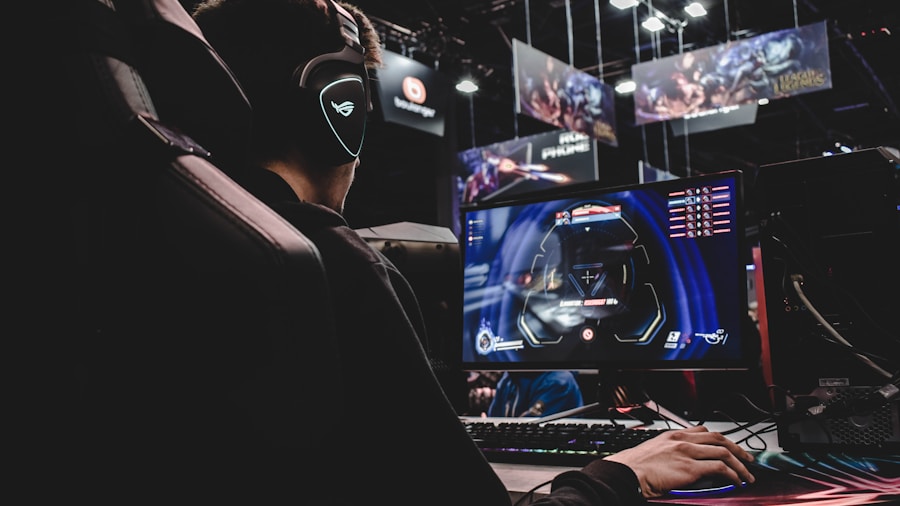
Before investing in this monitor, gamers need to understand that maximizing the 1,100 Hz specification requires specific conditions. Your graphics card must consistently output 1,100 frames per second at 720p resolution. Current-generation graphics hardware can achieve this in only the least demanding games or with graphics settings turned far down. For competitive titles like CS2 or Valorant running at minimal graphical fidelity, this might be achievable, but most modern games cannot sustain such frame rates even on high-end systems.
The real-world benefit of extreme refresh rates remains debated among gamers and researchers. The human eye perceives differences between refresh rates most clearly in the 60 to 240 Hz range. Beyond that threshold, improvements in perceived smoothness become increasingly marginal. Many players will notice no practical difference between 600 Hz and 1,100 Hz during actual gameplay, particularly if their gaming PC cannot reliably deliver the necessary frame rates.
Samsung’s Broader Monitor Ambitions
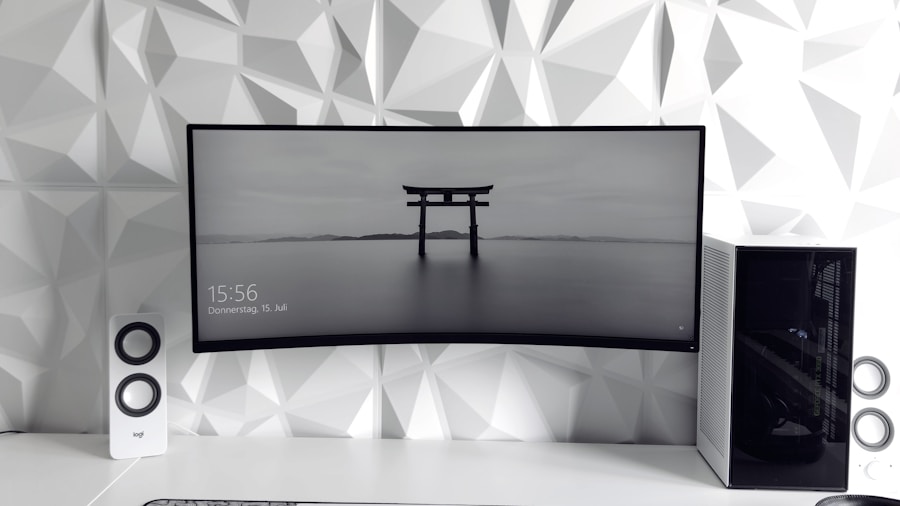
The Odyssey G6 is just one part of Samsung’s expanded gaming monitor lineup. At the same event, the company revealed three new OLED gaming monitors arriving in 2027. The Odyssey G7 is a curved 42-inch 4K OLED monitor with a 165 Hz refresh rate, featuring Samsung’s “Glare Free technology” to improve visibility in bright rooms. The Odyssey G8 steps up with a 32-inch 4K OLED panel capable of 360 Hz at native resolution, plus higher refresh rates at lower resolutions. Most ambitiously, the Odyssey G9 is a 49-inch ultrawide OLED monitor with a 5120 by 1440 resolution, 360 Hz capability, and 1,300 nits of peak brightness for vivid HDR performance.
These OLED options signal where the gaming monitor industry is heading. OLED technology naturally delivers superior response times and color performance compared to LCD panels. The choice between extreme refresh rates on LCD versus more balanced specifications on OLED will ultimately depend on what matters most to your gaming style. Other manufacturers continue refining ultrawide designs as well, offering gamers increasingly diverse options.
Should You Wait for the Odyssey G6
The Odyssey G6 targets an extremely niche audience: competitive esports players with systems powerful enough to generate the necessary frame rates and a willingness to sacrifice resolution for marginal smoothness gains. For most gamers, a monitor with 240 to 360 Hz at native resolution offers a far more practical balance. The extreme specifications look impressive on paper but deliver limited tangible benefits in actual gameplay.
Samsung hasn’t announced pricing yet, which is another critical consideration. Previous high-end gaming monitors with extreme refresh rates command significant premiums, and the Odyssey G6 will likely follow that pattern. If you’re prioritizing value, alternatives in the market are worth evaluating based on your actual needs rather than headline specifications.
The 1,100 Hz achievement represents genuine engineering progress, but it’s more of a milestone than a necessity. Focus on finding a monitor that matches your graphics card’s capabilities, gaming preferences, and budget rather than chasing the highest number on the spec sheet.







Write Your Review
No reviews yet. Be the first to share your experience!